Kim Anderson is a Cree/Métis writer, Canada Research Chair in Indigenous Relationships, and Associate Professor in the Department of Family Relations and Applied Nutrition at the University of Guelph.
Maria Campbell is a distinguished Metis author, playwright, filmmaker, and Elder. Her works have been published in eight countries and translated into four languages. Her bestselling book, Halfbreed, continues to be taught in schools across Canada.
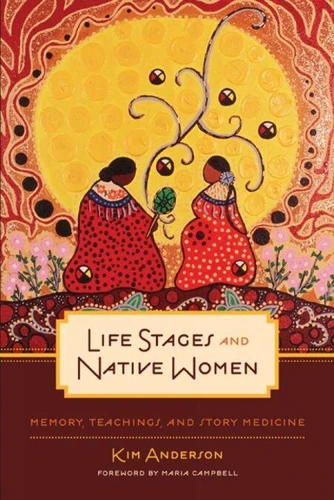
Life Stages and Native Women. Memory, Teachings, and Story Medicine
Par : ,Formats :
Disponible dans votre compte client Decitre ou Furet du Nord dès validation de votre commande. Le format ePub est :
- Compatible avec une lecture sur My Vivlio (smartphone, tablette, ordinateur)
- Compatible avec une lecture sur liseuses Vivlio
- Pour les liseuses autres que Vivlio, vous devez utiliser le logiciel Adobe Digital Edition. Non compatible avec la lecture sur les liseuses Kindle, Remarkable et Sony
 , qui est-ce ?
Notre partenaire de plateforme de lecture numérique où vous retrouverez l'ensemble de vos ebooks gratuitement
Pour en savoir plus sur nos ebooks, consultez notre aide en ligne ici
C'est si simple ! Lisez votre ebook avec l'app Vivlio sur votre tablette, mobile ou ordinateur :

- Nombre de pages240
- FormatePub
- ISBN978-0-88755-416-2
- EAN9780887554162
- Date de parution20/08/2012
- Protection num.Digital Watermarking
- Taille3 Mo
- Infos supplémentairesepub
- ÉditeurUniversity of Manitoba Press
Résumé
A rare and inspiring guide to the health and well-being of Aboriginal women and their communities. The process of "digging up medicines" - of rediscovering the stories of the past - serves as a powerful healing force in the decolonization and recovery of Aboriginal communities. In Life Stages and Native Women, Kim Anderson shares the teachings of fourteen elders from the Canadian prairies and Ontario to illustrate how different life stages were experienced by Metis, Cree, and Anishinaabe girls and women during the mid-twentieth century.
These elders relate stories about their own lives, the experiences of girls and women of their childhood communities, and customs related to pregnancy, birth, post-natal care, infant and child care, puberty rites, gender and age-specific work roles, the distinct roles of post-menopausal women, and women's roles in managing death. Through these teachings, we learn how evolving responsibilities from infancy to adulthood shaped women's identities and place within Indigenous society, and were integral to the health and well-being of their communities.
By understanding how healthy communities were created in the past, Anderson explains how this traditional knowledge can be applied toward rebuilding healthy Indigenous communities today.
These elders relate stories about their own lives, the experiences of girls and women of their childhood communities, and customs related to pregnancy, birth, post-natal care, infant and child care, puberty rites, gender and age-specific work roles, the distinct roles of post-menopausal women, and women's roles in managing death. Through these teachings, we learn how evolving responsibilities from infancy to adulthood shaped women's identities and place within Indigenous society, and were integral to the health and well-being of their communities.
By understanding how healthy communities were created in the past, Anderson explains how this traditional knowledge can be applied toward rebuilding healthy Indigenous communities today.
A propos de Kim Anderson
Métisse
E-book
31,98 €
14,91 €