


Michael Mitrovic is of Serbian descent and has spent his entire professional life working in the field of language, voice and speech. He studied Slavic philology, German language and literature, Balkan studies and phonetics, and has worked as a speech therapist, early intervention teacher and translator.
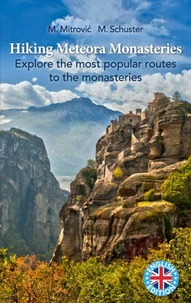
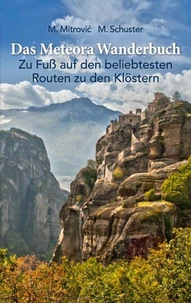
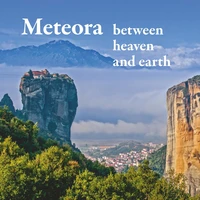
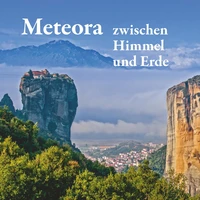
His publications on Greece include, among other topics, 'Das Meteora Wanderbuch' and 'Meteora - zwischen Himmel und Erde'.
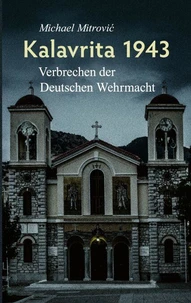
Both books have also been published in English under the titles 'Hiking Meteora Monasteries' and 'Meteora - Between Heaven and Earth'. Michael Schuster is a freelance graphic designer, illustrator and photographer. He publishes books, cartoons and stories for children and adults, and also gives free rein to his creativity when designing entire children's pages on scientific and other topics for magazines. He has made numerous trips to the Balkans, including to the Meteora monasteries and Kalavryta.
As a photographer, illustrator and author, he has contributed to schoolbooks, hiking guides and illustrated books, including the works 'Das Meteora Wanderbuch' and 'Meteora - zwischen Himmel und Erde' (Meteora - Between Heaven and Earth), also published by BoD.
Both books have also been published in English under the titles 'Hiking Meteora Monasteries' and 'Meteora - Between Heaven and Earth'. Michael Schuster is a freelance graphic designer, illustrator and photographer. He publishes books, cartoons and stories for children and adults, and also gives free rein to his creativity when designing entire children's pages on scientific and other topics for magazines. He has made numerous trips to the Balkans, including to the Meteora monasteries and Kalavryta.
As a photographer, illustrator and author, he has contributed to schoolbooks, hiking guides and illustrated books, including the works 'Das Meteora Wanderbuch' and 'Meteora - zwischen Himmel und Erde' (Meteora - Between Heaven and Earth), also published by BoD.