SOLDES
Jusqu'à -70% sur une sélection d'articles*

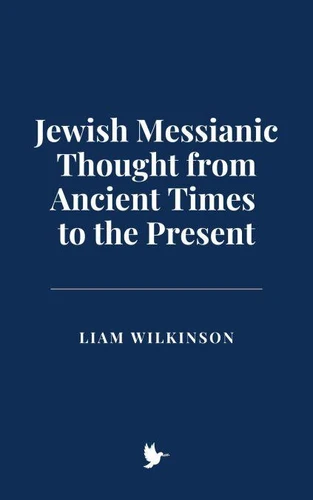
Jewish Messianic Thought from Ancient Times to the Present
Par :Formats :
Disponible dans votre compte client Decitre ou Furet du Nord dès validation de votre commande. Le format ePub est :
- Compatible avec une lecture sur My Vivlio (smartphone, tablette, ordinateur)
- Compatible avec une lecture sur liseuses Vivlio
- Pour les liseuses autres que Vivlio, vous devez utiliser le logiciel Adobe Digital Edition. Non compatible avec la lecture sur les liseuses Kindle, Remarkable et Sony
 , qui est-ce ?
Notre partenaire de plateforme de lecture numérique où vous retrouverez l'ensemble de vos ebooks gratuitement
Pour en savoir plus sur nos ebooks, consultez notre aide en ligne ici
C'est si simple ! Lisez votre ebook avec l'app Vivlio sur votre tablette, mobile ou ordinateur :

- FormatePub
- ISBN8230673804
- EAN9798230673804
- Date de parution13/11/2024
- Protection num.pas de protection
- Infos supplémentairesepub
- ÉditeurIndependently Published
Résumé
This book explores the evolution of Jewish messianic thought from ancient times to the present, examining how the concept of the Messiah has adapted in response to historical, social, and theological developments. Starting with the roots of messianism in ancient Judaism, the book traces how early biblical and prophetic texts laid the foundation for a messianic hope centered on a divinely anointed leader who would restore justice and peace.
During the Second Temple period, the influence of apocalyptic literature and sectarian movements expanded the messianic ideal, incorporating cosmic and eschatological themes. The destruction of the Second Temple and the Jewish diaspora intensified the longing for redemption, and Rabbinic Judaism reinterpreted messianic beliefs to focus on Torah study, ethical living, and community resilience as ways to sustain hope.
In the medieval period, mystical movements like Kabbalah added new dimensions to messianism, emphasizing the cosmic nature of redemption and the role of human action in repairing the world. The early modern period saw messianic fervor reach new heights with the rise of charismatic figures, culminating in the Hasidic movement, which spiritualized messianic hope and emphasized divine presence in daily life.
With the emergence of modern Zionism, messianism took on a political dimension, as secular and religious Zionists debated the role of human agency and divine intervention in the establishment of a Jewish homeland. The Holocaust posed profound theological questions, leading post-Holocaust thinkers to reevaluate suffering, redemption, and the role of human responsibility in creating a just world. The founding of the State of Israel brought new interpretations, with some seeing it as a step toward redemption, while others focused on the ethical challenges of statehood.
Throughout history, Jewish messianism has evolved from an expectation of divine intervention to a call for ethical action and social justice. This book highlights the adaptability and resilience of Jewish messianic thought, showing how it has provided meaning, hope, and a sense of purpose to Jewish communities across time and continues to shape Jewish identity in the modern world.
During the Second Temple period, the influence of apocalyptic literature and sectarian movements expanded the messianic ideal, incorporating cosmic and eschatological themes. The destruction of the Second Temple and the Jewish diaspora intensified the longing for redemption, and Rabbinic Judaism reinterpreted messianic beliefs to focus on Torah study, ethical living, and community resilience as ways to sustain hope.
In the medieval period, mystical movements like Kabbalah added new dimensions to messianism, emphasizing the cosmic nature of redemption and the role of human action in repairing the world. The early modern period saw messianic fervor reach new heights with the rise of charismatic figures, culminating in the Hasidic movement, which spiritualized messianic hope and emphasized divine presence in daily life.
With the emergence of modern Zionism, messianism took on a political dimension, as secular and religious Zionists debated the role of human agency and divine intervention in the establishment of a Jewish homeland. The Holocaust posed profound theological questions, leading post-Holocaust thinkers to reevaluate suffering, redemption, and the role of human responsibility in creating a just world. The founding of the State of Israel brought new interpretations, with some seeing it as a step toward redemption, while others focused on the ethical challenges of statehood.
Throughout history, Jewish messianism has evolved from an expectation of divine intervention to a call for ethical action and social justice. This book highlights the adaptability and resilience of Jewish messianic thought, showing how it has provided meaning, hope, and a sense of purpose to Jewish communities across time and continues to shape Jewish identity in the modern world.