Writes psychologically layered nonfiction about ambition, identity, and emotional resilience with a sharp literary voice.
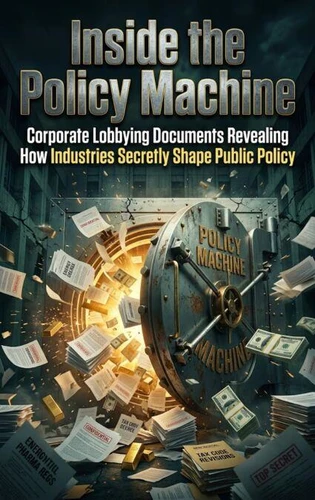
Inside the Policy Machine. Corporate Lobbying Documents Revealing How Industries Secretly Shape Public Policy
Par :Formats :
Disponible dans votre compte client Decitre ou Furet du Nord dès validation de votre commande. Le format ePub est :
- Compatible avec une lecture sur My Vivlio (smartphone, tablette, ordinateur)
- Compatible avec une lecture sur liseuses Vivlio
- Pour les liseuses autres que Vivlio, vous devez utiliser le logiciel Adobe Digital Edition. Non compatible avec la lecture sur les liseuses Kindle, Remarkable et Sony
 , qui est-ce ?
Notre partenaire de plateforme de lecture numérique où vous retrouverez l'ensemble de vos ebooks gratuitement
Pour en savoir plus sur nos ebooks, consultez notre aide en ligne ici
C'est si simple ! Lisez votre ebook avec l'app Vivlio sur votre tablette, mobile ou ordinateur :

- Nombre de pages151
- FormatePub
- ISBN978-3-565-45206-4
- EAN9783565452064
- Date de parution21/05/2026
- Protection num.pas de protection
- Taille2 Mo
- Infos supplémentairesepub
- ÉditeurEmphaloz Publishing House
Résumé
This book examines how modern policy is rarely made in public alone, but filtered through a parallel system of industry access, draft language, and negotiated influence that shapes outcomes before legislation reaches the floor.
Three mechanisms explain that hidden architecture. First, corporations influence policy through direct lobbying, trade associations, campaign support, and public-opinion management, creating layered channels that blur the line between representation and institutional capture.
These overlapping systems allow organized interests to shape legislative priorities long before formal debate becomes visible to the public. Second, the revolving door between regulators and industry transforms insider knowledge into private leverage. Former officials convert procedural familiarity, personal networks, and regulatory expertise into strategic advantages for corporate actors seeking preferential access, favorable interpretation, or advantageous timing within policymaking processes. Third, contemporary rulemaking frequently depends on comment letters, consultations, and technical submissions that appear transparent while still influencing final regulatory language in ways that disproportionately benefit organized corporate interests over fragmented public constituencies.
The result is a policymaking environment where influence often operates through technical process rather than overt political confrontation.
These overlapping systems allow organized interests to shape legislative priorities long before formal debate becomes visible to the public. Second, the revolving door between regulators and industry transforms insider knowledge into private leverage. Former officials convert procedural familiarity, personal networks, and regulatory expertise into strategic advantages for corporate actors seeking preferential access, favorable interpretation, or advantageous timing within policymaking processes. Third, contemporary rulemaking frequently depends on comment letters, consultations, and technical submissions that appear transparent while still influencing final regulatory language in ways that disproportionately benefit organized corporate interests over fragmented public constituencies.
The result is a policymaking environment where influence often operates through technical process rather than overt political confrontation.