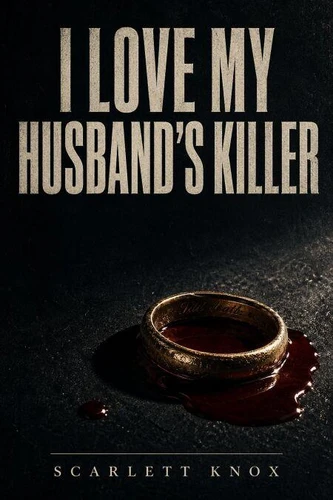
Eight months after her husband was murdered in their own kitchen, Cora Hale is still cooking dinner for two. She has been a widow for the length of one Maine winter, one Mainespring, one Maine summer-and the only thing she knows for certainis that the man arrested for killing Daniel does not look like amurderer. He looks tired. He looks, in the booking photograph shehas not allowed herself to study, like a man who has lost somethingtoo.
Then the letter arrives. Cream-colored stationery. No return address. A handwriting Cora hasnever seen, and a single line she cannot stop reading:I am the man who killed your husband. He does not ask for forgiveness. He does not offer an excuse. Heoffers, instead, an answer to the question Cora has asked the darkceiling of her bedroom for two hundred and forty-three nights:Why us. Why this house. Why a Tuesday in January at one fifteen in themorning.
Why the back door, which she had locked, was open. Why thealarm, which she had set, was off. Why a man who had no reason onearth to come for Daniel Hale had been let in by Daniel Hale. Cora writes back. She does not tell her sister. She does not tell the detective. Shedrives, instead, the long road south to a state prison inThomaston, where her husband's killer is waiting at a laminatetable on the other side of a vending machine and a guard with apaperback.
And in the small careful country of letters between strangers, across four inches of laminate, then three-eighths of an inch ofgreen-tinted glass, Cora Hale begins to understand what herhusband actually was-And what she is willing to become to set the man who killed himfree. I LOVE MY HUSBAND'S KILLER is a slow-burn literary psychologicalthriller about marriage, grief, complicity, and the terriblequestion every widow eventually has to answer: who was the manshe actually buried?For readers who loved the moral architecture of HEARTWOOD, thedomestic dread of BEHIND CLOSED DOORS, and the quiet, devastatinginteriority of women who have spent fifteen years not asking thequestion that would end everything.
A debut novel about the lies we tell at the kitchen counter, thedoors we choose not to open, and the strange grace of finallysaying out loud the thing we have always known.
Eight months after her husband was murdered in their own kitchen, Cora Hale is still cooking dinner for two. She has been a widow for the length of one Maine winter, one Mainespring, one Maine summer-and the only thing she knows for certainis that the man arrested for killing Daniel does not look like amurderer. He looks tired. He looks, in the booking photograph shehas not allowed herself to study, like a man who has lost somethingtoo.
Then the letter arrives. Cream-colored stationery. No return address. A handwriting Cora hasnever seen, and a single line she cannot stop reading:I am the man who killed your husband. He does not ask for forgiveness. He does not offer an excuse. Heoffers, instead, an answer to the question Cora has asked the darkceiling of her bedroom for two hundred and forty-three nights:Why us. Why this house. Why a Tuesday in January at one fifteen in themorning.
Why the back door, which she had locked, was open. Why thealarm, which she had set, was off. Why a man who had no reason onearth to come for Daniel Hale had been let in by Daniel Hale. Cora writes back. She does not tell her sister. She does not tell the detective. Shedrives, instead, the long road south to a state prison inThomaston, where her husband's killer is waiting at a laminatetable on the other side of a vending machine and a guard with apaperback.
And in the small careful country of letters between strangers, across four inches of laminate, then three-eighths of an inch ofgreen-tinted glass, Cora Hale begins to understand what herhusband actually was-And what she is willing to become to set the man who killed himfree. I LOVE MY HUSBAND'S KILLER is a slow-burn literary psychologicalthriller about marriage, grief, complicity, and the terriblequestion every widow eventually has to answer: who was the manshe actually buried?For readers who loved the moral architecture of HEARTWOOD, thedomestic dread of BEHIND CLOSED DOORS, and the quiet, devastatinginteriority of women who have spent fifteen years not asking thequestion that would end everything.
A debut novel about the lies we tell at the kitchen counter, thedoors we choose not to open, and the strange grace of finallysaying out loud the thing we have always known.