SOLDES
Jusqu'à -70% sur une sélection d'articles*

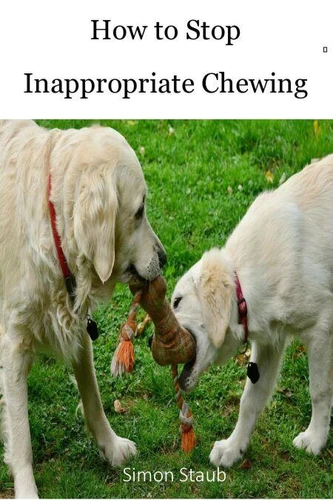
How to Stop Inappropriate Chewing. Dog training, #3
Par :Formats :
Disponible dans votre compte client Decitre ou Furet du Nord dès validation de votre commande. Le format ePub est :
- Compatible avec une lecture sur My Vivlio (smartphone, tablette, ordinateur)
- Compatible avec une lecture sur liseuses Vivlio
- Pour les liseuses autres que Vivlio, vous devez utiliser le logiciel Adobe Digital Edition. Non compatible avec la lecture sur les liseuses Kindle, Remarkable et Sony
 , qui est-ce ?
Notre partenaire de plateforme de lecture numérique où vous retrouverez l'ensemble de vos ebooks gratuitement
Pour en savoir plus sur nos ebooks, consultez notre aide en ligne ici
C'est si simple ! Lisez votre ebook avec l'app Vivlio sur votre tablette, mobile ou ordinateur :

- FormatePub
- ISBN8201755300
- EAN9798201755300
- Date de parution21/05/2021
- Protection num.pas de protection
- Infos supplémentairesepub
- ÉditeurJL
Résumé
All dogs like to chew, but inappropriate chewing is a fairly common problem in young dogs. It often stems from the fact that puppies use their mouths as a means of exploring the world around them. Chewing is normal behavior for puppies but becomes undesirable behavior when it is directed towards inappropriate objects such as your shoes, furniture, or even your hands and feet. If inappropriate chewing is not corrected then it can lead to wide-scale destruction of personal property, medical problems and erosion of the human-animal bond.
A dog's deciduous teeth arrive between three to eight weeks of age and around four to six months of age these teeth start to be gradually replaced with permanent teeth. Teething is a painful process coursing puppies to chew more during this period of time because their gums can become very irritated. The act of chewing relieves their discomfort so they are likely to chew anything they find. Although inappropriate chewing is most likely to occur while the puppy is teething, if not corrected it can become a long-standing problem even after all the adult teeth emerge and teething ends.
A dog's deciduous teeth arrive between three to eight weeks of age and around four to six months of age these teeth start to be gradually replaced with permanent teeth. Teething is a painful process coursing puppies to chew more during this period of time because their gums can become very irritated. The act of chewing relieves their discomfort so they are likely to chew anything they find. Although inappropriate chewing is most likely to occur while the puppy is teething, if not corrected it can become a long-standing problem even after all the adult teeth emerge and teething ends.