Juan Falcon is described as a cybersecurity researcher, privacy advocate, and threat intelligence specialist with over a decade of experience in digital forensics, deepfake detection, and data privacy issues. He often writes about the risks of AI, surveillance, digital identities, and ethical technology use, blending technical analysis with practical advice for individuals and organizations.
His known works include:
The Shadow Self: How Your Digital Echo Becomes Your Worst Enemy, Explores how personal data creates a "digital shadow" that can be exploited, with discussions on deepfakes, biometric risks, and reclaiming privacy.
The Responsible AI Blueprint, A practical guide to implementing frameworks like NIST and the EU AI Act, focusing on risk management, data lineage, and enterprise AI governance.
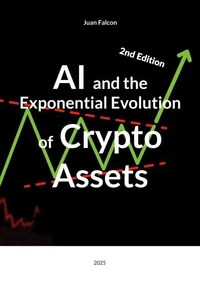
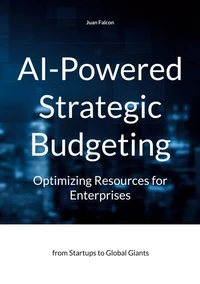
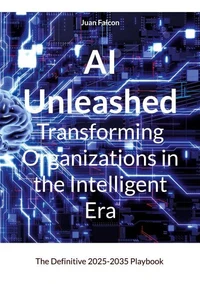
Other titles touch on strategy, AI transformation in organizations, crypto, and related topics.
He is portrayed as a speaker on AI ethics and data minimalism, emphasizing real world investigative experience.
How to Govern AI Responsibly. A Guide for Ordinary Institutions
Par :Formats :
Disponible dans votre compte client Decitre ou Furet du Nord dès validation de votre commande. Le format ePub est :
- Compatible avec une lecture sur My Vivlio (smartphone, tablette, ordinateur)
- Compatible avec une lecture sur liseuses Vivlio
- Pour les liseuses autres que Vivlio, vous devez utiliser le logiciel Adobe Digital Edition. Non compatible avec la lecture sur les liseuses Kindle, Remarkable et Sony
 , qui est-ce ?
Notre partenaire de plateforme de lecture numérique où vous retrouverez l'ensemble de vos ebooks gratuitement
Pour en savoir plus sur nos ebooks, consultez notre aide en ligne ici
C'est si simple ! Lisez votre ebook avec l'app Vivlio sur votre tablette, mobile ou ordinateur :

- Nombre de pages658
- FormatePub
- ISBN978-3-6963-3571-7
- EAN9783696335717
- Date de parution19/05/2026
- Protection num.Digital Watermarking
- Taille1 Mo
- Infos supplémentairesepub
- ÉditeurBoD - Books on Demand
Résumé
The most needed book to be written in 2026 is probably a clear, practical guide to AI governance for ordinary institutions, not just tech companies, but schools, hospitals, governments, publishers, and small businesses. That topic fits the biggest pressures showing up now: rising global risk, accelerating AI regulation, and the need to use AI safely without freezing innovation.
Why this book matters
The strongest case is that 2026 will likely be a year when many organizations move from experimenting with AI to relying on it in daily operations, while regulations and public expectations keep tightening.
2025 sources point to AI regulation becoming more concrete, with risk-based rules, transparency, and fairness becoming central concerns. At the same time, broader uncertainty is rising: the World Economic Forum says geopolitical and economic risks are increasing, and UNCTAD projects global growth will still be below the pre-pandemic average in 2026. That makes a book on AI governance especially valuable because it would help institutions make decisions in a high-pressure, fast-changing environment.
2025 sources point to AI regulation becoming more concrete, with risk-based rules, transparency, and fairness becoming central concerns. At the same time, broader uncertainty is rising: the World Economic Forum says geopolitical and economic risks are increasing, and UNCTAD projects global growth will still be below the pre-pandemic average in 2026. That makes a book on AI governance especially valuable because it would help institutions make decisions in a high-pressure, fast-changing environment.
A propos de Juan Falcon





5,99 €