SOLDES
Jusqu'à -70% sur une sélection d'articles*

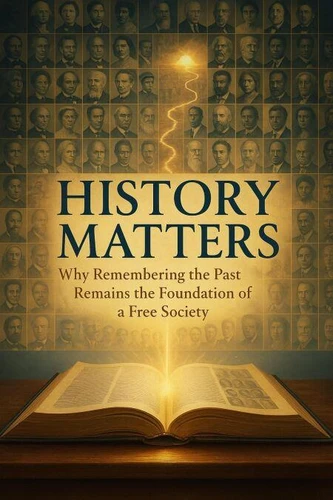
History Matters. Why Remembering the Past Remains the Foundation of a Free Society
Par :Formats :
Disponible dans votre compte client Decitre ou Furet du Nord dès validation de votre commande. Le format ePub est :
- Compatible avec une lecture sur My Vivlio (smartphone, tablette, ordinateur)
- Compatible avec une lecture sur liseuses Vivlio
- Pour les liseuses autres que Vivlio, vous devez utiliser le logiciel Adobe Digital Edition. Non compatible avec la lecture sur les liseuses Kindle, Remarkable et Sony
 , qui est-ce ?
Notre partenaire de plateforme de lecture numérique où vous retrouverez l'ensemble de vos ebooks gratuitement
Pour en savoir plus sur nos ebooks, consultez notre aide en ligne ici
C'est si simple ! Lisez votre ebook avec l'app Vivlio sur votre tablette, mobile ou ordinateur :

- Nombre de pages216
- FormatePub
- ISBN978-3-565-06935-4
- EAN9783565069354
- Date de parution29/10/2025
- Protection num.pas de protection
- Taille586 Ko
- Infos supplémentairesepub
- ÉditeurEmphaloz Publishing House
Résumé
History Matters gathers the final writings of a historian whose lifelong mission was simple and urgent: to remind us that the stories we tell about our past shape the choices we make for our future. Published posthumously, this collection spans decades of essays, lectures, and reflections-each one a call to defend historical literacy in an age of distraction and distortion.
The book opens with the author's earliest essays on the craft of history-why facts must be checked, why evidence must be traced, and why context is the oxygen of truth.
In lucid prose, he explains how the classroom and the public square share a single purpose: to keep memory alive. Whether writing about the fall of empires, the rise of populism, or the digital reshaping of archives, he insists that understanding history is not nostalgia-it is civic self-defense. Midway through the collection, the focus widens. Essays revisit great turning points-the Enlightenment, Reconstruction, World War II, Civil Rights-and show how each generation reinterprets them to fit its moral questions.
The author's trademark style-measured, humane, quietly persuasive-invites readers to see history not as a parade of dates, but as a mirror held to power. There are personal pieces too: an account of his first time teaching after September 11; reflections on the historian's role in public debate; letters to students urging them to read primary sources before headlines. The writing blends scholarship and warmth, never lecturing, always inviting readers to think for themselves. Throughout History Matters, the unifying argument is clear: when a society forgets how to think historically, it loses its ability to reason collectively.
Historical ignorance breeds conspiracy, cynicism, and political manipulation. But historical awareness-built on reading, curiosity, and empathy-anchors democracy.
In lucid prose, he explains how the classroom and the public square share a single purpose: to keep memory alive. Whether writing about the fall of empires, the rise of populism, or the digital reshaping of archives, he insists that understanding history is not nostalgia-it is civic self-defense. Midway through the collection, the focus widens. Essays revisit great turning points-the Enlightenment, Reconstruction, World War II, Civil Rights-and show how each generation reinterprets them to fit its moral questions.
The author's trademark style-measured, humane, quietly persuasive-invites readers to see history not as a parade of dates, but as a mirror held to power. There are personal pieces too: an account of his first time teaching after September 11; reflections on the historian's role in public debate; letters to students urging them to read primary sources before headlines. The writing blends scholarship and warmth, never lecturing, always inviting readers to think for themselves. Throughout History Matters, the unifying argument is clear: when a society forgets how to think historically, it loses its ability to reason collectively.
Historical ignorance breeds conspiracy, cynicism, and political manipulation. But historical awareness-built on reading, curiosity, and empathy-anchors democracy.