Nouveauté
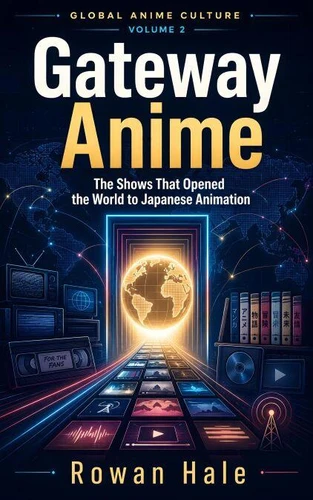
Gateway Anime: The Shows That Opened the World to Japanese Animation. Global Anime Culture, #2
Par :Formats :
Disponible dans votre compte client Decitre ou Furet du Nord dès validation de votre commande. Le format ePub est :
- Compatible avec une lecture sur My Vivlio (smartphone, tablette, ordinateur)
- Compatible avec une lecture sur liseuses Vivlio
- Pour les liseuses autres que Vivlio, vous devez utiliser le logiciel Adobe Digital Edition. Non compatible avec la lecture sur les liseuses Kindle, Remarkable et Sony
 , qui est-ce ?
Notre partenaire de plateforme de lecture numérique où vous retrouverez l'ensemble de vos ebooks gratuitement
Pour en savoir plus sur nos ebooks, consultez notre aide en ligne ici
C'est si simple ! Lisez votre ebook avec l'app Vivlio sur votre tablette, mobile ou ordinateur :

- FormatePub
- ISBN8235462311
- EAN9798235462311
- Date de parution11/06/2026
- Protection num.pas de protection
- Infos supplémentairesepub
- ÉditeurIoakim Ioakim
Résumé
How did anime become a worldwide culture?Gateway Anime explores the shows, routes and cultural moments that helped Japanese animation become visible across different regions, generations and media systems. This is not a ranking book, a trivia collection, a plot guide or an unofficial companion to any single franchise. It is a serious but readable pop-culture history of the doorways that introduced millions of viewers to anime.
For some audiences, anime arrived through early television imports such as Astro Boy and Speed Racer. For others, it became ordinary through children's television, dubbed broadcasts, family schedules and playground conversation. In parts of Europe and Latin America, anime entered mainstream childhood through television long before many English-speaking markets treated it as a cult discovery. In East Asia and Southeast Asia, proximity, trade, multilingual circulation, comics, video shops, malls, informal access and fan events created different routes again.
In Arabic-language markets, dubbing and family framing turned Japanese animation into a shared regional childhood memory. Rowan Hale follows anime's gateways through television, VHS, DVDs, manga shelves, fansubs, cable blocks, conventions, games, cards, toys, streaming platforms, theatrical hits, TikTok edits, memes and recommendation culture. Famous titles appear throughout the book, but the focus is never simple nostalgia or plot recap.
The real question is how certain works became doorways: how they reached people, what they taught audiences to expect, and what paths they opened for the next wave. Inside, you'll find: Why "gateway anime" is different from "the best anime" How early imports travelled before many viewers knew the word anime Why television made anime ordinary in many countries How Europe, Latin America, East Asia, Southeast Asia and Arabic-language markets developed different anime memories Why dubbing, localisation and broadcast schedules mattered as much as individual titles How VHS, DVDs and cult video introduced anime to older Anglophone audiences How cable blocks and manga shelves created new routes for fans Why fansubs became an informal classroom for global anime culture How conventions turned private fandom into public identity How games, cards, toys and merchandise helped anime travel beyond the screen How streaming, theatrical blockbusters, TikTok edits and recommendation algorithms changed the meaning of discovery Gateway Anime is written for anime fans, general pop-culture readers, media-history readers and anyone interested in how entertainment travels across borders.
Anime did not open the world through one title, one country or one generation. It opened through many doors.
For some audiences, anime arrived through early television imports such as Astro Boy and Speed Racer. For others, it became ordinary through children's television, dubbed broadcasts, family schedules and playground conversation. In parts of Europe and Latin America, anime entered mainstream childhood through television long before many English-speaking markets treated it as a cult discovery. In East Asia and Southeast Asia, proximity, trade, multilingual circulation, comics, video shops, malls, informal access and fan events created different routes again.
In Arabic-language markets, dubbing and family framing turned Japanese animation into a shared regional childhood memory. Rowan Hale follows anime's gateways through television, VHS, DVDs, manga shelves, fansubs, cable blocks, conventions, games, cards, toys, streaming platforms, theatrical hits, TikTok edits, memes and recommendation culture. Famous titles appear throughout the book, but the focus is never simple nostalgia or plot recap.
The real question is how certain works became doorways: how they reached people, what they taught audiences to expect, and what paths they opened for the next wave. Inside, you'll find: Why "gateway anime" is different from "the best anime" How early imports travelled before many viewers knew the word anime Why television made anime ordinary in many countries How Europe, Latin America, East Asia, Southeast Asia and Arabic-language markets developed different anime memories Why dubbing, localisation and broadcast schedules mattered as much as individual titles How VHS, DVDs and cult video introduced anime to older Anglophone audiences How cable blocks and manga shelves created new routes for fans Why fansubs became an informal classroom for global anime culture How conventions turned private fandom into public identity How games, cards, toys and merchandise helped anime travel beyond the screen How streaming, theatrical blockbusters, TikTok edits and recommendation algorithms changed the meaning of discovery Gateway Anime is written for anime fans, general pop-culture readers, media-history readers and anyone interested in how entertainment travels across borders.
Anime did not open the world through one title, one country or one generation. It opened through many doors.