
Ross Thompson lives in Melbourne Australia. He is semi-retired after many years of full time and part time involvment in Pastoral and Evangelistic ministry. He was also a Bible college lecturer and has some Theological qualifications. Presently he uses his teaching gift to write for the edification of anybody interested in Christianity and Christians.
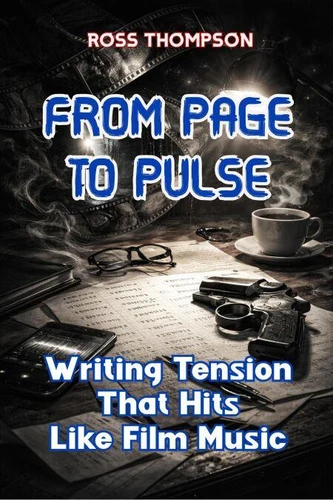
From Page to Pulse
Par :Formats :
Disponible dans votre compte client Decitre ou Furet du Nord dès validation de votre commande. Le format ePub est :
- Compatible avec une lecture sur My Vivlio (smartphone, tablette, ordinateur)
- Compatible avec une lecture sur liseuses Vivlio
- Pour les liseuses autres que Vivlio, vous devez utiliser le logiciel Adobe Digital Edition. Non compatible avec la lecture sur les liseuses Kindle, Remarkable et Sony
 , qui est-ce ?
Notre partenaire de plateforme de lecture numérique où vous retrouverez l'ensemble de vos ebooks gratuitement
Pour en savoir plus sur nos ebooks, consultez notre aide en ligne ici
C'est si simple ! Lisez votre ebook avec l'app Vivlio sur votre tablette, mobile ou ordinateur :

- FormatePub
- ISBN8233056628
- EAN9798233056628
- Date de parution27/01/2026
- Protection num.pas de protection
- Infos supplémentairesepub
- ÉditeurLinda Balsamo
Résumé
This book explores how writers create suspense on the page without relying on overt signals like film music. Drawing on techniques from classic cinema, it examines sentence rhythm, information control, and selective detail as the literary equivalents of a soundtrack, and explains how restraint can actually increase narrative power without sacrificing word count. Films use music to warn us when danger is near.
Writing cannot. This book reveals the invisible techniques writers use to create the same effect on the page, from sentence rhythm and silence to strategic omission, and explains why these methods deepen stories rather than shrinks them. Why do some stories make you lean forward before anything happens? The answer lies in the literary equivalent of film music. This book breaks down how writers build suspense through rhythm, timing, and restraint, and why cutting explanation doesn't reduce a story, it strengthens itBy comparing the function of film music in early cinema with narrative techniques in prose, this book identifies the structural methods writers use to signal tension and danger.
It argues that suspense emerges from rhythm, selective information, and omission, and that these techniques expand rather than compress narrative scope.
Writing cannot. This book reveals the invisible techniques writers use to create the same effect on the page, from sentence rhythm and silence to strategic omission, and explains why these methods deepen stories rather than shrinks them. Why do some stories make you lean forward before anything happens? The answer lies in the literary equivalent of film music. This book breaks down how writers build suspense through rhythm, timing, and restraint, and why cutting explanation doesn't reduce a story, it strengthens itBy comparing the function of film music in early cinema with narrative techniques in prose, this book identifies the structural methods writers use to signal tension and danger.
It argues that suspense emerges from rhythm, selective information, and omission, and that these techniques expand rather than compress narrative scope.
A propos de Ross Thompson
4,49 €
4,49 €
4,49 €
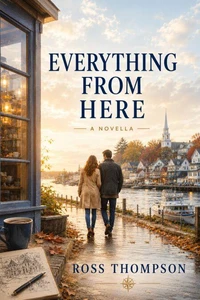
4,49 €
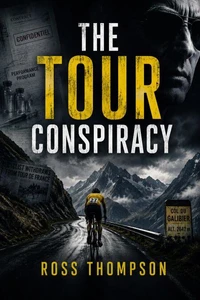
The Tour Conspiracy
E-book
5,49 €
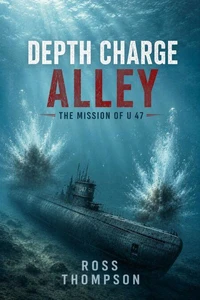
Depth Charge Alley
E-book
4,49 €
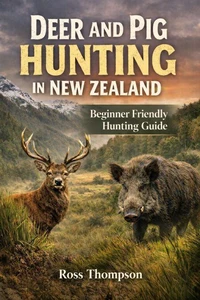
4,49 €
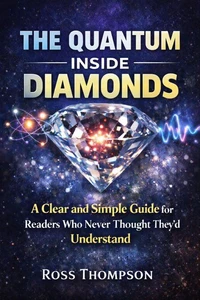
4,49 €
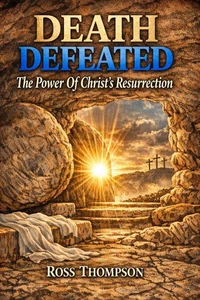
2,99 €
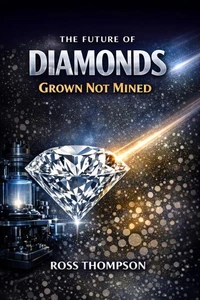
The Future of Diamonds
E-book
4,49 €
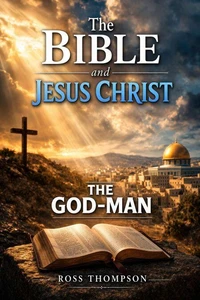
2,99 €
2,99 €
2,99 €
3,49 €
3,49 €
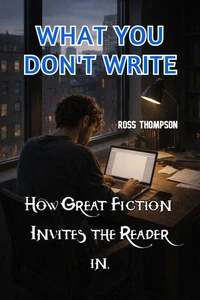
What You Don't Write
E-book
4,49 €
3,99 €
3,49 €