SOLDES
Jusqu'à -70% sur une sélection d'articles*

Nouveauté
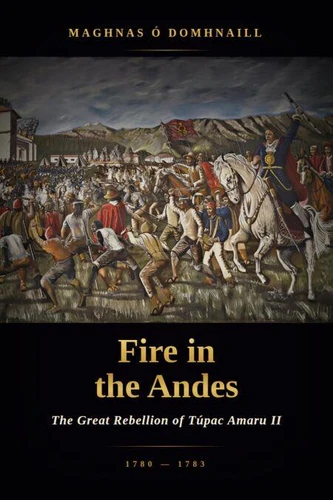
Fire in the Andes: The Great Rebellion of Túpac Amaru II, 1780–1783
Par :Formats :
Disponible dans votre compte client Decitre ou Furet du Nord dès validation de votre commande. Le format ePub est :
- Compatible avec une lecture sur My Vivlio (smartphone, tablette, ordinateur)
- Compatible avec une lecture sur liseuses Vivlio
- Pour les liseuses autres que Vivlio, vous devez utiliser le logiciel Adobe Digital Edition. Non compatible avec la lecture sur les liseuses Kindle, Remarkable et Sony
 , qui est-ce ?
Notre partenaire de plateforme de lecture numérique où vous retrouverez l'ensemble de vos ebooks gratuitement
Pour en savoir plus sur nos ebooks, consultez notre aide en ligne ici
C'est si simple ! Lisez votre ebook avec l'app Vivlio sur votre tablette, mobile ou ordinateur :

- FormatePub
- ISBN8233629723
- EAN9798233629723
- Date de parution16/07/2026
- Protection num.pas de protection
- Infos supplémentairesepub
- ÉditeurLinda Balsamo
Résumé
Fire in the Andes: The Great Rebellion of Túpac Amaru II, 1780-1783 In November 1780, a wealthy Andean nobleman ambushed a corrupt Spanish official on a mountain trail, and set in motion the largest anti-colonial uprising Latin America would see before its wars of independence. José Gabriel Condorcanqui, who took the name Túpac Amaru II, claimed direct descent from the last independent Inca emperor, executed in Cusco's plaza two centuries before.
Within months he commanded an army of over one hundred thousand, shattering Spanish forces at Sangarará and standing before the walls of the ancient Inca capital itself. This is the story of that rebellion in full: the mining mita that broke Andean bodies for two and a half centuries, the Bourbon fiscal reforms that turned chronic grievance into acute crisis, and the extraordinary partnership of Condorcanqui and his wife, Micaela Bastidas, whose own strategic command has long been underestimated.
It follows the uprising through its catastrophic first defeat, its ferocious second phase under Túpac Katari and Bartolina Sisa in Upper Peru, and its final betrayal, a negotiated peace violated by the very Crown that offered it. Drawing on the full sweep of colonial records, this is narrative history at its most urgent: a story of empire, faith, family, and the price of demanding justice from a power that never intended to deliver it.
Within months he commanded an army of over one hundred thousand, shattering Spanish forces at Sangarará and standing before the walls of the ancient Inca capital itself. This is the story of that rebellion in full: the mining mita that broke Andean bodies for two and a half centuries, the Bourbon fiscal reforms that turned chronic grievance into acute crisis, and the extraordinary partnership of Condorcanqui and his wife, Micaela Bastidas, whose own strategic command has long been underestimated.
It follows the uprising through its catastrophic first defeat, its ferocious second phase under Túpac Katari and Bartolina Sisa in Upper Peru, and its final betrayal, a negotiated peace violated by the very Crown that offered it. Drawing on the full sweep of colonial records, this is narrative history at its most urgent: a story of empire, faith, family, and the price of demanding justice from a power that never intended to deliver it.