SOLDES
Jusqu'à -70% sur une sélection d'articles*

Konrad Waldhauser and the Birth of the Czech Reformation (1363-1369)
Par :Formats :
Disponible dans votre compte client Decitre ou Furet du Nord dès validation de votre commande. Le format ePub est :
- Compatible avec une lecture sur My Vivlio (smartphone, tablette, ordinateur)
- Compatible avec une lecture sur liseuses Vivlio
- Pour les liseuses autres que Vivlio, vous devez utiliser le logiciel Adobe Digital Edition. Non compatible avec la lecture sur les liseuses Kindle, Remarkable et Sony
 , qui est-ce ?
Notre partenaire de plateforme de lecture numérique où vous retrouverez l'ensemble de vos ebooks gratuitement
Pour en savoir plus sur nos ebooks, consultez notre aide en ligne ici
C'est si simple ! Lisez votre ebook avec l'app Vivlio sur votre tablette, mobile ou ordinateur :

- FormatePub
- ISBN8233451744
- EAN9798233451744
- Date de parution26/01/2026
- Protection num.pas de protection
- Infos supplémentairesepub
- ÉditeurLinda Balsamo
Résumé
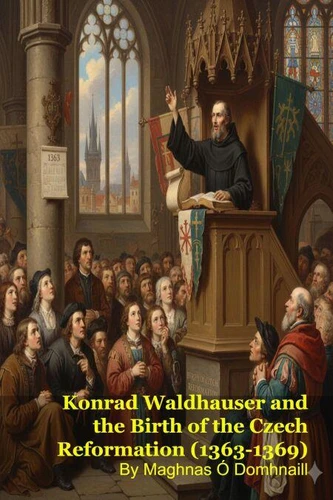
Konrad Waldhauser and the Birth of the Czech Reformation (1363-1369)Konrad Waldhauser and the Birth of the Czech Reformation (1363-1369) is a comprehensive historical examination of Konrad Waldhauser, the Austrian Augustinian canon whose six years of preaching in Prague catalyzed the Bohemian Reformation. Invited by Emperor Charles IV to provide moral leadership for his "New Rome, " Waldhauser unleashed a devastating critique of merchant luxury, clerical corruption, and mendicant simony that transformed the spiritual landscape of fourteenth-century Prague.
Through meticulous analysis of manuscript evidence, the failed heresy trial of 1364, and the extraordinary circulation of his Postilla studentium, this study reveals how Waldhauser created a "reform consciousness" that made fundamental change seem possible rather than inevitable. His most consequential achievement was converting Jan Milíc of Kromeríz, who vernacularized the reform message into Czech and expanded it to marginalized populations.
Rather than simply a "precursor" to Jan Hus, Waldhauser emerges as a sophisticated conservative reformer whose emphasis on moral performance fundamentally challenged medieval understandings of clerical authority while remaining within orthodox boundaries, establishing patterns of reform that would shape Central European Christianity for generations.
Through meticulous analysis of manuscript evidence, the failed heresy trial of 1364, and the extraordinary circulation of his Postilla studentium, this study reveals how Waldhauser created a "reform consciousness" that made fundamental change seem possible rather than inevitable. His most consequential achievement was converting Jan Milíc of Kromeríz, who vernacularized the reform message into Czech and expanded it to marginalized populations.
Rather than simply a "precursor" to Jan Hus, Waldhauser emerges as a sophisticated conservative reformer whose emphasis on moral performance fundamentally challenged medieval understandings of clerical authority while remaining within orthodox boundaries, establishing patterns of reform that would shape Central European Christianity for generations.