Zoe Anderson is an English-language nonfiction author known for writing sharp, accessible books on modern society, technology, psychology, and cultural transformation. Her work combines clear analysis with engaging storytelling, helping readers navigate complex ideas without losing the human perspective behind them. Zoe often explores how everyday habits, digital systems, and shifting social values quietly reshape the way people think, work, and connect in the modern world.
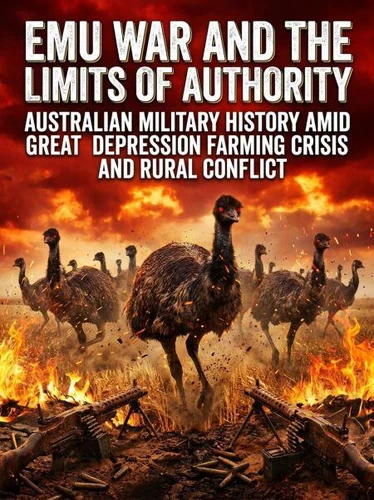
Emu War and the Limits of Authority. Australian military history amid Great Depression farming crisis and rural conflict
Par :Formats :
Disponible dans votre compte client Decitre ou Furet du Nord dès validation de votre commande. Le format ePub est :
- Compatible avec une lecture sur My Vivlio (smartphone, tablette, ordinateur)
- Compatible avec une lecture sur liseuses Vivlio
- Pour les liseuses autres que Vivlio, vous devez utiliser le logiciel Adobe Digital Edition. Non compatible avec la lecture sur les liseuses Kindle, Remarkable et Sony
 , qui est-ce ?
Notre partenaire de plateforme de lecture numérique où vous retrouverez l'ensemble de vos ebooks gratuitement
Pour en savoir plus sur nos ebooks, consultez notre aide en ligne ici
C'est si simple ! Lisez votre ebook avec l'app Vivlio sur votre tablette, mobile ou ordinateur :

- Nombre de pages187
- FormatePub
- ISBN978-3-565-46528-6
- EAN9783565465286
- Date de parution28/05/2026
- Protection num.pas de protection
- Taille1 Mo
- Infos supplémentairesepub
- ÉditeurEmphaloz Publishing House
Résumé
Machine guns faced birds across Western Australia in 1932, yet the campaign collapsed into public embarrassment. Few episodes in Australian military history reveal state fragility so clearly under the pressure of economic desperation and environmental disorder.
The operation emerged from a wider Great Depression crisis that reshaped rural Australia after World War I. Former soldiers settled onto isolated farmland confronted collapsing wheat prices, drought conditions, and enormous migrating emu populations destroying fences and crops.
Canberra answered with military intervention, sending armed personnel into agricultural districts with Lewis guns intended for battlefield warfare rather than wildlife control. Official reports, newspaper satire, and archival footage reveal not merely a failed culling effort, but a deeper conflict between centralized authority and unpredictable landscapes. The episode exposed bureaucratic improvisation, weaknesses in interwar governance, and tensions between veterans and federal institutions.
Beneath the humor surrounding the Emu War stood broader anxieties about settlement policy, national identity, and environmental adaptation in remote regions of Australia. The failed campaign became part of a wider twentieth-century memory in which modern governments confronted limits to technological confidence. Across Europe and the Commonwealth alike, the story carried uncomfortable implications about power, control, and public legitimacy during periods of instability.
Canberra answered with military intervention, sending armed personnel into agricultural districts with Lewis guns intended for battlefield warfare rather than wildlife control. Official reports, newspaper satire, and archival footage reveal not merely a failed culling effort, but a deeper conflict between centralized authority and unpredictable landscapes. The episode exposed bureaucratic improvisation, weaknesses in interwar governance, and tensions between veterans and federal institutions.
Beneath the humor surrounding the Emu War stood broader anxieties about settlement policy, national identity, and environmental adaptation in remote regions of Australia. The failed campaign became part of a wider twentieth-century memory in which modern governments confronted limits to technological confidence. Across Europe and the Commonwealth alike, the story carried uncomfortable implications about power, control, and public legitimacy during periods of instability.