SOLDES
Jusqu'à -70% sur une sélection d'articles*

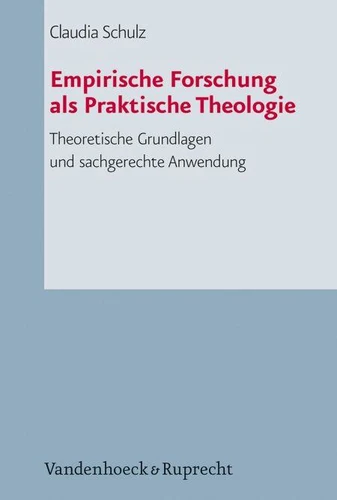
Empirische Forschung als Praktische Theologie. Theoretische Grundlagen und sachgerechte Anwendung
Par :Formats :
Disponible dans votre compte client Decitre ou Furet du Nord dès validation de votre commande. Le format PDF est :
- Compatible avec une lecture sur My Vivlio (smartphone, tablette, ordinateur)
- Compatible avec une lecture sur liseuses Vivlio
- Pour les liseuses autres que Vivlio, vous devez utiliser le logiciel Adobe Digital Edition. Non compatible avec la lecture sur les liseuses Kindle, Remarkable et Sony
 , qui est-ce ?
Notre partenaire de plateforme de lecture numérique où vous retrouverez l'ensemble de vos ebooks gratuitement
Pour en savoir plus sur nos ebooks, consultez notre aide en ligne ici
C'est si simple ! Lisez votre ebook avec l'app Vivlio sur votre tablette, mobile ou ordinateur :

- Nombre de pages308
- FormatPDF
- ISBN978-3-647-62426-6
- EAN9783647624266
- Date de parution18/09/2013
- Protection num.pas de protection
- Taille2 Mo
- Infos supplémentairespdf
- ÉditeurVandenhoeck & Ruprecht
Résumé
Within the field of practical theology, empirical research has substantially increased in significance. But what can empirical social research methods do for practical theology? What is the potential of evaluation, surveys and random sampling for theology, the Church and the parish? Where are their limitations? Claudia Schulz demonstrates the possibilities of empirical approaches for practical theology and proposes framework conditions for their use in an apposite, theoretically backed and fruitful way.
In her studies on the development of the Church and parishes, target groups, lifeworld and lifestyle as well as deaconship the author applies methods from empirical social and religion research and critically reflects on the results and findings. Examples from theological debate from the past and the present allow theologians who have no or little previous experience with empirical social research to gain a better understanding of this topic.
In her studies on the development of the Church and parishes, target groups, lifeworld and lifestyle as well as deaconship the author applies methods from empirical social and religion research and critically reflects on the results and findings. Examples from theological debate from the past and the present allow theologians who have no or little previous experience with empirical social research to gain a better understanding of this topic.
A propos de Claudia Schulz

26,99 €