SOLDES
Jusqu'à -70% sur une sélection d'articles*

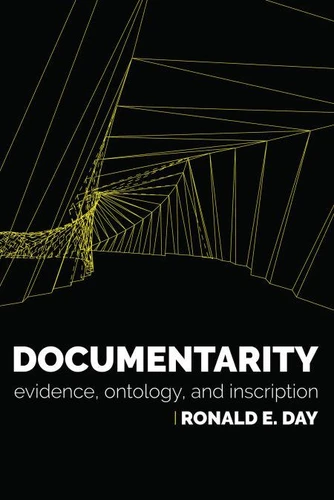
Documentarity. Evidence, Ontology, and Inscription
Par :Formats :
Disponible dans votre compte client Decitre ou Furet du Nord dès validation de votre commande. Le format ePub protégé est :
- Compatible avec une lecture sur My Vivlio (smartphone, tablette, ordinateur)
- Compatible avec une lecture sur liseuses Vivlio
- Pour les liseuses autres que Vivlio, vous devez utiliser le logiciel Adobe Digital Edition. Non compatible avec la lecture sur les liseuses Kindle, Remarkable et Sony
- Non compatible avec un achat hors France métropolitaine
 , qui est-ce ?
Notre partenaire de plateforme de lecture numérique où vous retrouverez l'ensemble de vos ebooks gratuitement
Pour en savoir plus sur nos ebooks, consultez notre aide en ligne ici
C'est si simple ! Lisez votre ebook avec l'app Vivlio sur votre tablette, mobile ou ordinateur :

- Nombre de pages200
- FormatePub
- ISBN978-0-262-35603-9
- EAN9780262356039
- Date de parution01/10/2019
- Protection num.Adobe DRM
- Taille697 Ko
- Infos supplémentairesepub
- ÉditeurThe MIT Press
Résumé
A historical-conceptual account of the different genres, technologies, modes of inscription, and innate powers of expression by which something becomes evident. In this book, Ronald Day offers a historical-conceptual account of how something becomes evident. Crossing philosophical ontology with documentary ontology, Day investigates the different genres, technologies, modes of inscription, and innate powers of expression by which something comes into presence and makes itself evident.
He calls this philosophy of evidence documentarity, and it is through this theoretical lens that he examines documentary evidence (and documentation) within the tradition of Western philosophy, largely understood as representational in its epistemology, ontology, aesthetics, and politics. Day discusses the expression of beings or entities as evidence of what exists through a range of categories and modes, from Plato's notion that ideas are universal types expressed in evidential particulars to the representation of powerful particulars in social media and machine learning algorithms.
He considers, among other topics, the contrast between positivist and anthropological documentation traditions; the ontological and epistemological importance of the documentary index; the nineteenth-century French novel's documentary realism and the avant-garde's critique of representation; performative literary genres; expression as a form of self evidence; and the "post-documentation" technologies of social media and machine learning, described as a posteriori, real-time technologies of documentation.
Ultimately, the representational means are not only information and knowledge technologies but technologies of judgment, judging entities both descriptively and prescriptively.
He calls this philosophy of evidence documentarity, and it is through this theoretical lens that he examines documentary evidence (and documentation) within the tradition of Western philosophy, largely understood as representational in its epistemology, ontology, aesthetics, and politics. Day discusses the expression of beings or entities as evidence of what exists through a range of categories and modes, from Plato's notion that ideas are universal types expressed in evidential particulars to the representation of powerful particulars in social media and machine learning algorithms.
He considers, among other topics, the contrast between positivist and anthropological documentation traditions; the ontological and epistemological importance of the documentary index; the nineteenth-century French novel's documentary realism and the avant-garde's critique of representation; performative literary genres; expression as a form of self evidence; and the "post-documentation" technologies of social media and machine learning, described as a posteriori, real-time technologies of documentation.
Ultimately, the representational means are not only information and knowledge technologies but technologies of judgment, judging entities both descriptively and prescriptively.