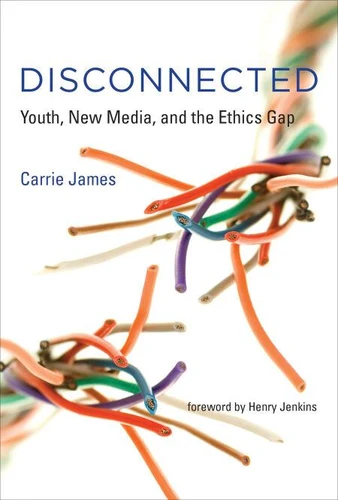
Disconnected. Youth, New Media, and the Ethics Gap
Par : ,Formats :
Disponible dans votre compte client Decitre ou Furet du Nord dès validation de votre commande. Le format ePub protégé est :
- Compatible avec une lecture sur My Vivlio (smartphone, tablette, ordinateur)
- Compatible avec une lecture sur liseuses Vivlio
- Pour les liseuses autres que Vivlio, vous devez utiliser le logiciel Adobe Digital Edition. Non compatible avec la lecture sur les liseuses Kindle, Remarkable et Sony
- Non compatible avec un achat hors France métropolitaine
 , qui est-ce ?
Notre partenaire de plateforme de lecture numérique où vous retrouverez l'ensemble de vos ebooks gratuitement
Pour en savoir plus sur nos ebooks, consultez notre aide en ligne ici
C'est si simple ! Lisez votre ebook avec l'app Vivlio sur votre tablette, mobile ou ordinateur :

- Nombre de pages198
- FormatePub
- ISBN978-0-262-32557-8
- EAN9780262325578
- Date de parution03/10/2014
- Protection num.Adobe DRM
- Taille1 Mo
- Infos supplémentairesepub
- ÉditeurThe MIT Press
Résumé
How young people think about the moral and ethical dilemmas they encounter when they share and use online content and participate in online communities. Fresh from a party, a teen posts a photo on Facebook of a friend drinking a beer. A college student repurposes an article from Wikipedia for a paper. A group of players in a multiplayer online game routinely cheat new players by selling them worthless virtual accessories for high prices.
In Disconnected, Carrie James examines how young people and the adults in their lives think about these sorts of online dilemmas, describing ethical blind spots and disconnects. Drawing on extensive interviews with young people between the ages of 10 and 25, James describes the nature of their thinking about privacy, property, and participation online. She identifies three ways that young people approach online activities.
A teen might practice self-focused thinking, concerned mostly about consequences for herself; moral thinking, concerned about the consequences for people he knows; or ethical thinking, concerned about unknown individuals and larger communities. James finds, among other things, that youth are often blind to moral or ethical concerns about privacy; that attitudes toward property range from "what's theirs is theirs" to "free for all"; that hostile speech can be met with a belief that online content is "just a joke"; and that adults who are consulted about such dilemmas often emphasize personal safety issues over online ethics and citizenship.
Considering ways to address the digital ethics gap, James offers a vision of conscientious connectivity, which involves ethical thinking skills but, perhaps more important, is marked by sensitivity to the dilemmas posed by online life, a motivation to wrestle with them, and a sense of moral agency that supports socially positive online actions.
In Disconnected, Carrie James examines how young people and the adults in their lives think about these sorts of online dilemmas, describing ethical blind spots and disconnects. Drawing on extensive interviews with young people between the ages of 10 and 25, James describes the nature of their thinking about privacy, property, and participation online. She identifies three ways that young people approach online activities.
A teen might practice self-focused thinking, concerned mostly about consequences for herself; moral thinking, concerned about the consequences for people he knows; or ethical thinking, concerned about unknown individuals and larger communities. James finds, among other things, that youth are often blind to moral or ethical concerns about privacy; that attitudes toward property range from "what's theirs is theirs" to "free for all"; that hostile speech can be met with a belief that online content is "just a joke"; and that adults who are consulted about such dilemmas often emphasize personal safety issues over online ethics and citizenship.
Considering ways to address the digital ethics gap, James offers a vision of conscientious connectivity, which involves ethical thinking skills but, perhaps more important, is marked by sensitivity to the dilemmas posed by online life, a motivation to wrestle with them, and a sense of moral agency that supports socially positive online actions.