SOLDES
Jusqu'à -70% sur une sélection d'articles*

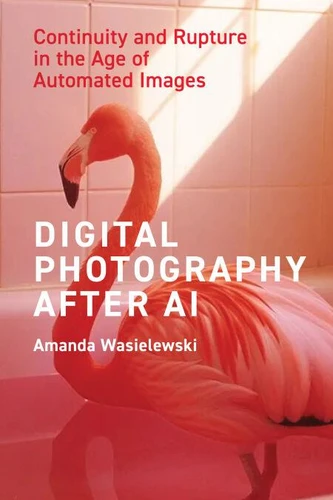
Digital Photography After AI. Continuity and Rupture in the Age of Automated Images
Par :Formats :
Disponible dans votre compte client Decitre ou Furet du Nord dès validation de votre commande. Le format ePub protégé est :
- Compatible avec une lecture sur My Vivlio (smartphone, tablette, ordinateur)
- Compatible avec une lecture sur liseuses Vivlio
- Pour les liseuses autres que Vivlio, vous devez utiliser le logiciel Adobe Digital Edition. Non compatible avec la lecture sur les liseuses Kindle, Remarkable et Sony
- Non compatible avec un achat hors France métropolitaine
 , qui est-ce ?
Notre partenaire de plateforme de lecture numérique où vous retrouverez l'ensemble de vos ebooks gratuitement
Pour en savoir plus sur nos ebooks, consultez notre aide en ligne ici
C'est si simple ! Lisez votre ebook avec l'app Vivlio sur votre tablette, mobile ou ordinateur :

- Nombre de pages296
- Date de parution01/12/2026
- FormatePub
- ISBN978-0-262-05640-3
- EAN9780262056403
- Protection num.Adobe DRM
- Infos supplémentairesepub
- ÉditeurThe MIT Press
Résumé
How AI-generated images radically alter our interactions with photography as well as our understanding of it. In recent years, artificial intelligence technologies have made it easy for anyone to produce images that look indistinguishable from photographs. How do these AI-generated images change our understanding of photography? Should we consider them photography at all? In Digital Photography After AI, Amanda Wasielewski explores these questions as well as the historical and theoretical concerns for the field of photography after the widespread uptake of AI tools.
The book connects AI-generated photographs to a longer trajectory of the history of photography, from Henry Fox Talbot in the nineteenth century through Surrealism and the mid-twentieth century of media to more recent times, including camera phone photography and social media. The author addresses AI-generated images in terms of the technique, form, and function of photography throughout its history, as well as the documentary function of photography, image resolution and filter effects, the surreal and real quality of photographs and AI-generated images, and the latter's impact on representation and illusion.
The book connects AI-generated photographs to a longer trajectory of the history of photography, from Henry Fox Talbot in the nineteenth century through Surrealism and the mid-twentieth century of media to more recent times, including camera phone photography and social media. The author addresses AI-generated images in terms of the technique, form, and function of photography throughout its history, as well as the documentary function of photography, image resolution and filter effects, the surreal and real quality of photographs and AI-generated images, and the latter's impact on representation and illusion.