SOLDES
Jusqu'à -70% sur une sélection d'articles*

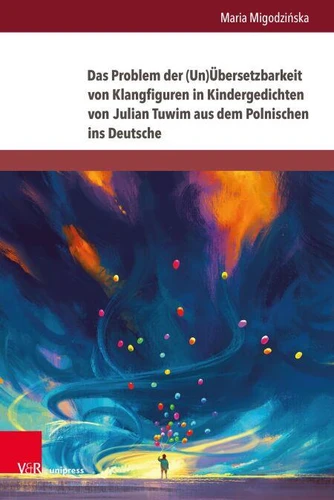
Das Problem der (Un)Übersetzbarkeit von Klangfiguren in Kindergedichten von Julian Tuwim aus dem Polnischen ins Deutsche
Par :Formats :
Disponible dans votre compte client Decitre ou Furet du Nord dès validation de votre commande. Le format PDF est :
- Compatible avec une lecture sur My Vivlio (smartphone, tablette, ordinateur)
- Compatible avec une lecture sur liseuses Vivlio
- Pour les liseuses autres que Vivlio, vous devez utiliser le logiciel Adobe Digital Edition. Non compatible avec la lecture sur les liseuses Kindle, Remarkable et Sony
 , qui est-ce ?
Notre partenaire de plateforme de lecture numérique où vous retrouverez l'ensemble de vos ebooks gratuitement
Pour en savoir plus sur nos ebooks, consultez notre aide en ligne ici
C'est si simple ! Lisez votre ebook avec l'app Vivlio sur votre tablette, mobile ou ordinateur :

- Nombre de pages259
- FormatPDF
- ISBN978-3-8470-1780-6
- EAN9783847017806
- Date de parution09/09/2024
- Protection num.pas de protection
- Taille9 Mo
- Infos supplémentairespdf
- ÉditeurV&R Unipress
Résumé
Die Übersetzung von Kinderliteratur stellt aufgrund der spezifischen Bedürfnisse der Rezipient:innengruppe einen besonderen Bereich der Translationswissenschaft dar - die für Kinder bestimmten Texte müssen sowohl inhaltlich als auch sprachlich attraktiv und anziehend sein. Neben vielen anderen Sprachmitteln wird in den Kindergedichten den Klangfiguren eine besondere Rolle zugeschrieben. Sie sorgen dafür, dass die Gedichte nicht nur anregend wirken, sondern auch die Vorstellungskraft der Kinder aktivieren.
Unter besonderer Berücksichtigung der Klangfiguren Onomatopöien, Alliterationen und Paronomasien setzt sich die Autorin mit der (Un)Übersetzbarkeit in Kindergedichten des polnischen Autors Julian Tuwim auseinander. Translating children's literature is a specific area of translation studies - considering the recipients texts of these type must be available and attractive in terms of content and language.
Among many other rhetorical means figures of sound play the main role here - thanks to them, poems for children not only attract readers but also stimulate their imagination. The aim of this volume is the discussion of Julian Tuwim's poems for children (un)translatability with a special emphasis put on the analysis of the sound figures translations present therein: onomatopoeias, alliterations and paronomasias.
Unter besonderer Berücksichtigung der Klangfiguren Onomatopöien, Alliterationen und Paronomasien setzt sich die Autorin mit der (Un)Übersetzbarkeit in Kindergedichten des polnischen Autors Julian Tuwim auseinander. Translating children's literature is a specific area of translation studies - considering the recipients texts of these type must be available and attractive in terms of content and language.
Among many other rhetorical means figures of sound play the main role here - thanks to them, poems for children not only attract readers but also stimulate their imagination. The aim of this volume is the discussion of Julian Tuwim's poems for children (un)translatability with a special emphasis put on the analysis of the sound figures translations present therein: onomatopoeias, alliterations and paronomasias.