Sarah Carter has dedicated her career to researching the North American West. In 2023 she was appointed to the Order of Canada and in 2025 was the inaugural recipient of the Canadian Historical Association's François-Xavier Garneau Prize, awarded for a sustained and exceptional contribution to the discipline of history.
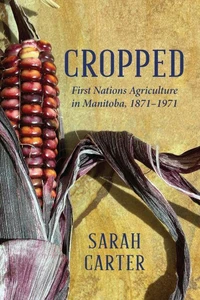
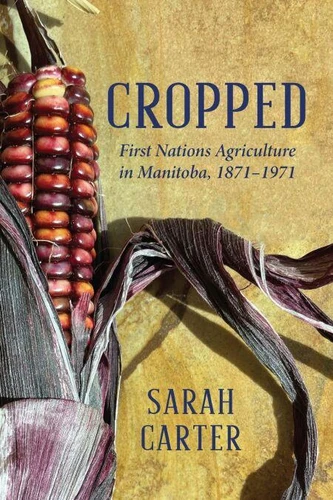
Cropped. First Nations Agriculture in Manitoba, 1871–1971
Par :Formats :
Disponible dans votre compte client Decitre ou Furet du Nord dès validation de votre commande. Le format ePub est :
- Compatible avec une lecture sur My Vivlio (smartphone, tablette, ordinateur)
- Compatible avec une lecture sur liseuses Vivlio
- Pour les liseuses autres que Vivlio, vous devez utiliser le logiciel Adobe Digital Edition. Non compatible avec la lecture sur les liseuses Kindle, Remarkable et Sony
 , qui est-ce ?
Notre partenaire de plateforme de lecture numérique où vous retrouverez l'ensemble de vos ebooks gratuitement
Pour en savoir plus sur nos ebooks, consultez notre aide en ligne ici
C'est si simple ! Lisez votre ebook avec l'app Vivlio sur votre tablette, mobile ou ordinateur :

- Nombre de pages498
- FormatePub
- ISBN978-1-77284-149-7
- EAN9781772841497
- Date de parution25/06/2026
- Protection num.Digital Watermarking
- Taille8 Mo
- Infos supplémentairesepub
- ÉditeurUniversity of Manitoba Press
Résumé
A history of First Nations agriculture in Manitoba
Informed by the oral histories, speeches, petitions, and writings of Indigenous Peoples in Manitoba, and by Department of Indian Affairs (DIA) records, author Sarah Carter details First Nations' ancient history of agriculture and the impacts of federal and provincial policy on their agricultural practices during the century succeeding the signing of Treaty 1.
Though shaped by the same broad contours of colonialism and resistance as other nations to the west, Indigenous agriculture evolved in ways unique to the First Nations of Manitoba. Over the 100 years examined in this study, First Nations insisted they wanted to farm and persistently called on their treaty partner to live up to their promises of assistance, despite continued neglect and policy-inflicted barriers (including confinement to small reserves with little arable land).
Cropped exposes the stranglehold the DIA had on First Nations' land, resources, and livelihoods and shows the deep roots of First Nations agricultural knowledge.
Though shaped by the same broad contours of colonialism and resistance as other nations to the west, Indigenous agriculture evolved in ways unique to the First Nations of Manitoba. Over the 100 years examined in this study, First Nations insisted they wanted to farm and persistently called on their treaty partner to live up to their promises of assistance, despite continued neglect and policy-inflicted barriers (including confinement to small reserves with little arable land).
Cropped exposes the stranglehold the DIA had on First Nations' land, resources, and livelihoods and shows the deep roots of First Nations agricultural knowledge.