SOLDES
Jusqu'à -70% sur une sélection d'articles*

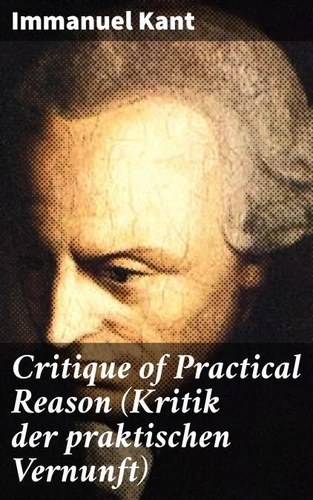
Critique of Practical Reason (Kritik der praktischen Vernunft). Unraveling the Moral Foundations of Human Action
Par : ,Formats :
Disponible dans votre compte client Decitre ou Furet du Nord dès validation de votre commande. Le format ePub est :
- Compatible avec une lecture sur My Vivlio (smartphone, tablette, ordinateur)
- Compatible avec une lecture sur liseuses Vivlio
- Pour les liseuses autres que Vivlio, vous devez utiliser le logiciel Adobe Digital Edition. Non compatible avec la lecture sur les liseuses Kindle, Remarkable et Sony
 , qui est-ce ?
Notre partenaire de plateforme de lecture numérique où vous retrouverez l'ensemble de vos ebooks gratuitement
Pour en savoir plus sur nos ebooks, consultez notre aide en ligne ici
C'est si simple ! Lisez votre ebook avec l'app Vivlio sur votre tablette, mobile ou ordinateur :

- Nombre de pages159
- FormatePub
- ISBN406-4-06-646415-8
- EAN4064066464158
- Date de parution10/04/2021
- Protection num.Digital Watermarking
- Taille566 Ko
- Infos supplémentairesepub
- ÉditeurGOOD PRESS
Résumé
In "Critique of Practical Reason, " Immanuel Kant meticulously delves into the foundations of moral philosophy, proposing a framework where ethical actions are derived from the categorical imperative. Utilized through a rigorous analytic style, Kant combines metaphysical inquiries with a practical approach, ultimately challenging the reader to recognize that moral reasoning is grounded in rationality rather than empirical desires.
The book stands as a pivotal work within the Enlightenment context, reflecting the tension between empirical traditions and rationalist ethics, thus shaping subsequent debates in moral and political philosophy. Immanuel Kant, a central figure in Western philosophy, was heavily influenced by the philosophical movements of his time, particularly rationalism and empiricism. His educational background and struggles with the limitations of empirical knowledge led him to explore how moral values could be established without reliance on external contingencies.
As a result, his work is a culmination of a lifetime devoted to understanding the interplay between freedom, morality, and institutional structures, all aimed at achieving a universal moral law. I highly recommend "Critique of Practical Reason" to readers interested in the ethical dimensions of human behavior, as well as to those wishing to engage with foundational texts that shaped modern philosophical discourse.
Kant's systematic approach not only stimulates intellectual engagement but also invites contemplation on the nature of morality itself, making it essential reading for anyone delving into ethical theory.
The book stands as a pivotal work within the Enlightenment context, reflecting the tension between empirical traditions and rationalist ethics, thus shaping subsequent debates in moral and political philosophy. Immanuel Kant, a central figure in Western philosophy, was heavily influenced by the philosophical movements of his time, particularly rationalism and empiricism. His educational background and struggles with the limitations of empirical knowledge led him to explore how moral values could be established without reliance on external contingencies.
As a result, his work is a culmination of a lifetime devoted to understanding the interplay between freedom, morality, and institutional structures, all aimed at achieving a universal moral law. I highly recommend "Critique of Practical Reason" to readers interested in the ethical dimensions of human behavior, as well as to those wishing to engage with foundational texts that shaped modern philosophical discourse.
Kant's systematic approach not only stimulates intellectual engagement but also invites contemplation on the nature of morality itself, making it essential reading for anyone delving into ethical theory.