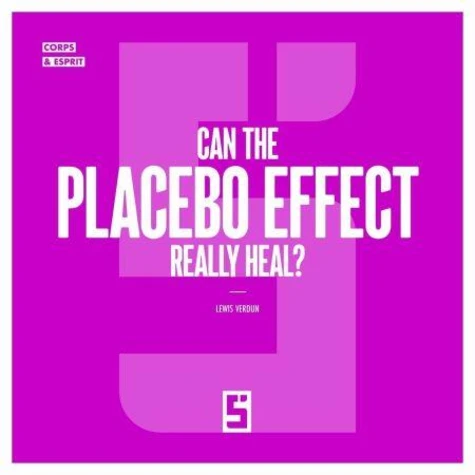
Can the Placebo Effect Really Heal ? In this mini book in the CORPS & ESPRIT collection published by Five Minutes, the author explores one of medicine's most fascinating mysteries : how can an inert pill ease pain, calm anxiety or reduce fatigue ? Drawing on the latest research (2024-2025), he describes striking neurobiological discoveries : brain circuits that light up at the mere expectation of relief, contextual pain relief boxes and the influence of endorphins on our emotions.
After presenting the mechanisms, the book reviews recent clinical trials. It shows that open label placebos, given transparently, alleviate symptoms of depression, chronic pain and premenstrual syndrome when the caregiver-patient relationship is nurtured. But it does not hide the modesty of the effects or the ethical questions raised : placebo does not cure a tumour, and negative expectations can worsen symptoms.
This book offers concrete examples, nuanced analyses and ideas for integrating these discoveries into respectful therapies. It calls for rethinking the mind's role in modern medicine and discovering how trust and communication optimise care.
Can the Placebo Effect Really Heal ? In this mini book in the CORPS & ESPRIT collection published by Five Minutes, the author explores one of medicine's most fascinating mysteries : how can an inert pill ease pain, calm anxiety or reduce fatigue ? Drawing on the latest research (2024-2025), he describes striking neurobiological discoveries : brain circuits that light up at the mere expectation of relief, contextual pain relief boxes and the influence of endorphins on our emotions.
After presenting the mechanisms, the book reviews recent clinical trials. It shows that open label placebos, given transparently, alleviate symptoms of depression, chronic pain and premenstrual syndrome when the caregiver-patient relationship is nurtured. But it does not hide the modesty of the effects or the ethical questions raised : placebo does not cure a tumour, and negative expectations can worsen symptoms.
This book offers concrete examples, nuanced analyses and ideas for integrating these discoveries into respectful therapies. It calls for rethinking the mind's role in modern medicine and discovering how trust and communication optimise care.

 , qui est-ce ?