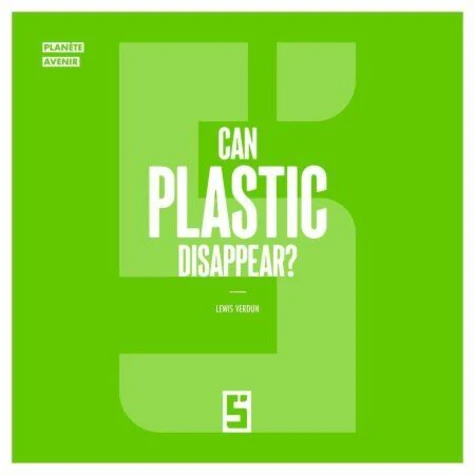
Can plastic disappear ? Today our lifestyles produce tens of millions of tonnes of plastic each year, and a significant part of this waste ends up in the oceans and even in our organs. This mini book from the PLANÈTE AVENIR collection published by Five Minutes offers a punchy, well documented analysis of the plastic emergency : key figures on the explosion of waste, discoveries of microplastics in the brain and placenta, innovations in bioplastics, advanced recycling and plastivores capable of degrading polymers.
It highlights policies (global treaty, European regulation, African laws) and inspiring local initiatives. Both alarming and optimistic, the book demonstrates that eliminating plastic pollution requires systemic change : reducing production, designing reusable products, investing in degradation technologies and making producers and consumers accountable. Readers will find concrete examples and ideas for taking part in this change.
Don't miss this essential read to understand and act for a future without plastic pollution !
Can plastic disappear ? Today our lifestyles produce tens of millions of tonnes of plastic each year, and a significant part of this waste ends up in the oceans and even in our organs. This mini book from the PLANÈTE AVENIR collection published by Five Minutes offers a punchy, well documented analysis of the plastic emergency : key figures on the explosion of waste, discoveries of microplastics in the brain and placenta, innovations in bioplastics, advanced recycling and plastivores capable of degrading polymers.
It highlights policies (global treaty, European regulation, African laws) and inspiring local initiatives. Both alarming and optimistic, the book demonstrates that eliminating plastic pollution requires systemic change : reducing production, designing reusable products, investing in degradation technologies and making producers and consumers accountable. Readers will find concrete examples and ideas for taking part in this change.
Don't miss this essential read to understand and act for a future without plastic pollution !


 , qui est-ce ?