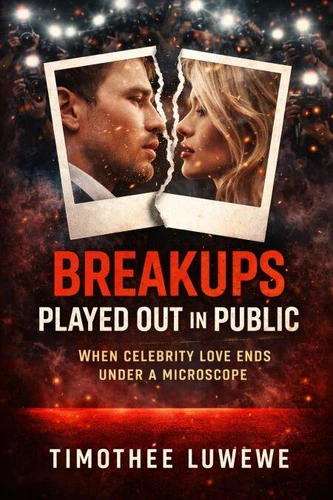
Breakups Played Out in Public. Love & Breakups, #6
Par :Formats :
Disponible dans votre compte client Decitre ou Furet du Nord dès validation de votre commande. Le format ePub est :
- Compatible avec une lecture sur My Vivlio (smartphone, tablette, ordinateur)
- Compatible avec une lecture sur liseuses Vivlio
- Pour les liseuses autres que Vivlio, vous devez utiliser le logiciel Adobe Digital Edition. Non compatible avec la lecture sur les liseuses Kindle, Remarkable et Sony
 , qui est-ce ?
Notre partenaire de plateforme de lecture numérique où vous retrouverez l'ensemble de vos ebooks gratuitement
Pour en savoir plus sur nos ebooks, consultez notre aide en ligne ici
C'est si simple ! Lisez votre ebook avec l'app Vivlio sur votre tablette, mobile ou ordinateur :

- FormatePub
- ISBN8233022326
- EAN9798233022326
- Date de parution19/01/2026
- Protection num.pas de protection
- Infos supplémentairesepub
- ÉditeurLinda Balsamo
Résumé
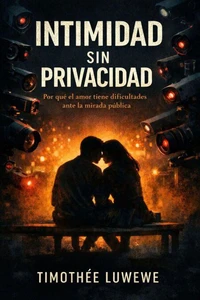
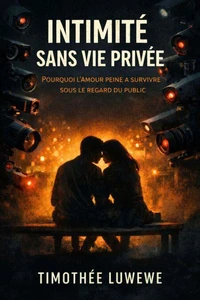
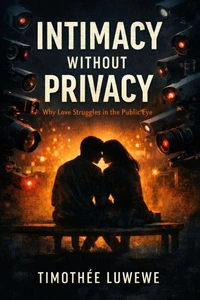
Breakups Played Out in Public: When Celebrity Love Ends Under a Microscope is a cultural examination of what happens when intimacy dissolves under constant observation. In an era where visibility is currency and silence is treated as suspicion, celebrity breakups no longer belong to the people living them. They become public property-analyzed, judged, monetized, and archived. Rather than cataloging scandals or timelines, Timothée Luwewe approaches public breakups as cultural events that reveal deeper structures of power.
Drawing on media theory, sociology, and widely documented public cases, the book explores how privacy became a liability, how narratives are fought and framed, and why ambiguity is punished in a culture addicted to clarity. Each chapter investigates a different dimension of the phenomenon: gendered sympathy, moral blame, legal theater, financial power, children caught inside public narratives, and the professional consequences that follow long after headlines fade.
The book also turns its gaze outward, examining the role of audiences. Social media, parasocial attachment, and collective judgment have transformed spectators into participants. Fans grieve, accuse, defend, and demand accountability from people they do not know, blurring the line between empathy and entitlement. Breakups become moral theater, offering reassurance, distraction, and projection-often at the cost of humanity.
Through expanded case studies and careful analysis, Breakups Played Out in Public argues that celebrity separations are not exceptional stories but exaggerated reflections of a broader cultural shift: the erosion of privacy, the demand for performance during pain, and the belief that every ending owes the world an explanation. Ultimately, this book asks a quieter but more unsettling question: in a world where everything is content, can love-or its ending-still be allowed to happen without witnesses?
Drawing on media theory, sociology, and widely documented public cases, the book explores how privacy became a liability, how narratives are fought and framed, and why ambiguity is punished in a culture addicted to clarity. Each chapter investigates a different dimension of the phenomenon: gendered sympathy, moral blame, legal theater, financial power, children caught inside public narratives, and the professional consequences that follow long after headlines fade.
The book also turns its gaze outward, examining the role of audiences. Social media, parasocial attachment, and collective judgment have transformed spectators into participants. Fans grieve, accuse, defend, and demand accountability from people they do not know, blurring the line between empathy and entitlement. Breakups become moral theater, offering reassurance, distraction, and projection-often at the cost of humanity.
Through expanded case studies and careful analysis, Breakups Played Out in Public argues that celebrity separations are not exceptional stories but exaggerated reflections of a broader cultural shift: the erosion of privacy, the demand for performance during pain, and the belief that every ending owes the world an explanation. Ultimately, this book asks a quieter but more unsettling question: in a world where everything is content, can love-or its ending-still be allowed to happen without witnesses?
A propos de Timothée Luwewe










2,99 €

2,99 €
2,99 €
2,99 €

2,99 €