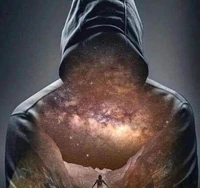
In this second installment, Sammie steps into the years when survival became strategy. When homelessness wasn't a chapter but a rhythm. When the systems meant to protect her instead erased her. When danger didn't come from strangers - it came from the people who insisted they loved her. With raw honesty and mythic-surreal clarity, Sammie revisits the places she tried to forget: the shelters, the caseworkers, the nights she slept with one eye open, the moments she realized the world had already decided who she was before she ever had a chance to speak.
She traces the patterns that began in childhood and followed her into adolescence - the white truck, the missing records, the adults who kept rewriting her story without her consent. But Book Two is not just about what happened. It's about what Sammie saw. The strange coincidences. The impossible timings. The way trauma sometimes feels orchestrated, like someone is pulling threads behind the scenes.
The way survival sharpens intuition until it becomes its own kind of mythic sense. As Sammie fights to reclaim her narrative, she begins to understand that the In-Between - the place where trauma and transformation collide - is not metaphor. It's memory. It's truth. And it's the only place she can finally confront what was done to her, what was taken from her, and what she refuses to lose again.
In this second installment, Sammie steps into the years when survival became strategy. When homelessness wasn't a chapter but a rhythm. When the systems meant to protect her instead erased her. When danger didn't come from strangers - it came from the people who insisted they loved her. With raw honesty and mythic-surreal clarity, Sammie revisits the places she tried to forget: the shelters, the caseworkers, the nights she slept with one eye open, the moments she realized the world had already decided who she was before she ever had a chance to speak.
She traces the patterns that began in childhood and followed her into adolescence - the white truck, the missing records, the adults who kept rewriting her story without her consent. But Book Two is not just about what happened. It's about what Sammie saw. The strange coincidences. The impossible timings. The way trauma sometimes feels orchestrated, like someone is pulling threads behind the scenes.
The way survival sharpens intuition until it becomes its own kind of mythic sense. As Sammie fights to reclaim her narrative, she begins to understand that the In-Between - the place where trauma and transformation collide - is not metaphor. It's memory. It's truth. And it's the only place she can finally confront what was done to her, what was taken from her, and what she refuses to lose again.

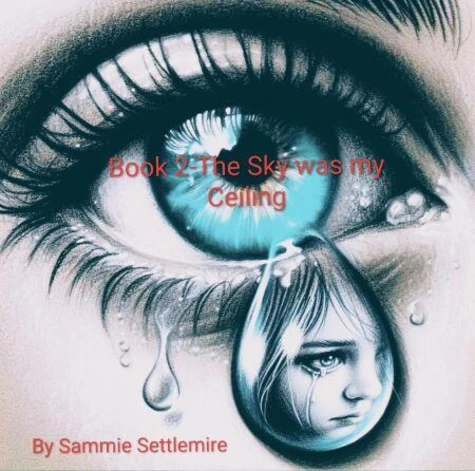

 , qui est-ce ?