SOLDES
Jusqu'à -70% sur une sélection d'articles*

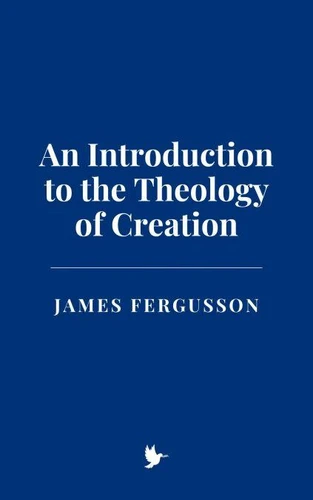
An Introduction to the Theology of Creation
Par :Formats :
Disponible dans votre compte client Decitre ou Furet du Nord dès validation de votre commande. Le format ePub est :
- Compatible avec une lecture sur My Vivlio (smartphone, tablette, ordinateur)
- Compatible avec une lecture sur liseuses Vivlio
- Pour les liseuses autres que Vivlio, vous devez utiliser le logiciel Adobe Digital Edition. Non compatible avec la lecture sur les liseuses Kindle, Remarkable et Sony
 , qui est-ce ?
Notre partenaire de plateforme de lecture numérique où vous retrouverez l'ensemble de vos ebooks gratuitement
Pour en savoir plus sur nos ebooks, consultez notre aide en ligne ici
C'est si simple ! Lisez votre ebook avec l'app Vivlio sur votre tablette, mobile ou ordinateur :

- FormatePub
- ISBN8230321972
- EAN9798230321972
- Date de parution05/02/2025
- Protection num.pas de protection
- Infos supplémentairesepub
- ÉditeurIndependently Published
Résumé
This book explores the doctrine of creation from a multifaceted Christian theological perspective, examining its historical development, theological implications, and contemporary relevance. The work begins with a deep exploration of the biblical foundation of creation, tracing the themes of God's sovereignty, the goodness of creation, and humanity's unique role within the created order, as outlined in Genesis and expanded upon by the early Church Fathers.
As the book progresses, it delves into key theological discussions, including the nature of human freedom, the problem of evil, and the interrelationship between creation, sin, and redemption. Central to the exploration is the Christian understanding of creation as not only an act of divine will but a dynamic, ongoing process that is intricately tied to the eschatological hope of restoration and renewal.
Drawing upon the works of influential theologians such as Augustine, Aquinas, Irenaeus, Calvin, and Moltmann, the book investigates how different theological traditions have approached the doctrine of creation, offering insights into their varying interpretations of free will, providence, and the ultimate goal of creation. The tension between divine sovereignty and human responsibility is explored, highlighting the ethical and moral dimensions of creation theology.
The book also examines the growing intersection between theology, science, and ecology, with a particular focus on the Church's response to environmental degradation, social justice, and the global ecological crisis. In its final chapters, the book brings together perspectives from the ecumenical and interfaith dialogues, offering a comparative analysis of creation theology across Christian denominations and world religions.
It considers how shared beliefs in a Creator shape the understanding of human responsibility and moral action in the natural world. Ultimately, the book emphasizes that the Christian doctrine of creation is not a static, historical concept but a living, dynamic framework for understanding God's ongoing relationship with the world and humanity's role in the redemptive process. Through this theological exploration, the book seeks to deepen the reader's understanding of creation and its ethical, eschatological, and ecological dimensions, offering a vision of hope and redemption in a world marked by suffering and injustice.
As the book progresses, it delves into key theological discussions, including the nature of human freedom, the problem of evil, and the interrelationship between creation, sin, and redemption. Central to the exploration is the Christian understanding of creation as not only an act of divine will but a dynamic, ongoing process that is intricately tied to the eschatological hope of restoration and renewal.
Drawing upon the works of influential theologians such as Augustine, Aquinas, Irenaeus, Calvin, and Moltmann, the book investigates how different theological traditions have approached the doctrine of creation, offering insights into their varying interpretations of free will, providence, and the ultimate goal of creation. The tension between divine sovereignty and human responsibility is explored, highlighting the ethical and moral dimensions of creation theology.
The book also examines the growing intersection between theology, science, and ecology, with a particular focus on the Church's response to environmental degradation, social justice, and the global ecological crisis. In its final chapters, the book brings together perspectives from the ecumenical and interfaith dialogues, offering a comparative analysis of creation theology across Christian denominations and world religions.
It considers how shared beliefs in a Creator shape the understanding of human responsibility and moral action in the natural world. Ultimately, the book emphasizes that the Christian doctrine of creation is not a static, historical concept but a living, dynamic framework for understanding God's ongoing relationship with the world and humanity's role in the redemptive process. Through this theological exploration, the book seeks to deepen the reader's understanding of creation and its ethical, eschatological, and ecological dimensions, offering a vision of hope and redemption in a world marked by suffering and injustice.
A propos de James Fergusson
2,99 €
2,99 €
2,99 €
2,99 €

2,99 €

2,99 €

2,99 €

