


Founder, Jawanna Dean Consulting, LLC | Creator of The One Key Strategy | Author & Publisher | 46 Books | 700+ EssaysJawanna Dean is the founder of Jawanna Dean Consulting, LLC, creator of The One Key Strategy, and an independent author, publisher, systems strategist, and economic reform thinker. Her work examines housing, labor, debt, consumer protection, human value, digital access, institutional accountability, and the systems that shape ordinary life.
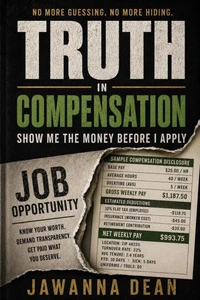
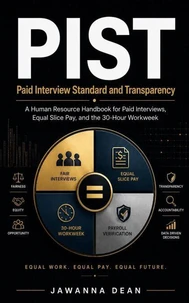
She has independently published 46 books and more than 700 original essays, building a public catalogue that reaches readers worldwide. Her work is distributed through major digital book platforms and her own publishing channels, with a focus on ownership, access, economic legitimacy, and structural repair. Through Jawanna Dean Consulting, LLC, she develops books, essays, frameworks, courses, and public-facing reform concepts that address housing instability, labor imbalance, consumer data extraction, court access, public solicitation, digital reciprocity, and economic accountability.
Her signature framework, The One Key Strategy, is a nonviolent economic doctrine centered on housing, debt, institutional power, and the restoration of human value. Dean brings more than three decades of business management and real estate experience to her work. She holds Advanced Project Management Professional, Lean Six Sigma Green Belt, and Lean Six Sigma Black Belt certifications from Lawrence Technological University.
Her professional background informs her approach to systems design, process improvement, publishing operations, real estate analysis, and consumer protection. Her catalogue includes work on housing reform, labor equity, court restructuring, human data access payment, digital ownership, economic reset, public accountability, and independent authorship. She writes outside institutional control and documents reform ideas through books, essays, and business frameworks designed for public review, digital distribution, and long-term recordkeeping.
Jawanna Dean's mission is disciplined and direct: to build a body of work that challenges broken systems, protects human value, and gives ordinary people language for the economic structures affecting their lives.
She has independently published 46 books and more than 700 original essays, building a public catalogue that reaches readers worldwide. Her work is distributed through major digital book platforms and her own publishing channels, with a focus on ownership, access, economic legitimacy, and structural repair. Through Jawanna Dean Consulting, LLC, she develops books, essays, frameworks, courses, and public-facing reform concepts that address housing instability, labor imbalance, consumer data extraction, court access, public solicitation, digital reciprocity, and economic accountability.
Her signature framework, The One Key Strategy, is a nonviolent economic doctrine centered on housing, debt, institutional power, and the restoration of human value. Dean brings more than three decades of business management and real estate experience to her work. She holds Advanced Project Management Professional, Lean Six Sigma Green Belt, and Lean Six Sigma Black Belt certifications from Lawrence Technological University.
Her professional background informs her approach to systems design, process improvement, publishing operations, real estate analysis, and consumer protection. Her catalogue includes work on housing reform, labor equity, court restructuring, human data access payment, digital ownership, economic reset, public accountability, and independent authorship. She writes outside institutional control and documents reform ideas through books, essays, and business frameworks designed for public review, digital distribution, and long-term recordkeeping.
Jawanna Dean's mission is disciplined and direct: to build a body of work that challenges broken systems, protects human value, and gives ordinary people language for the economic structures affecting their lives.