SOLDES
Jusqu'à -70% sur une sélection d'articles*

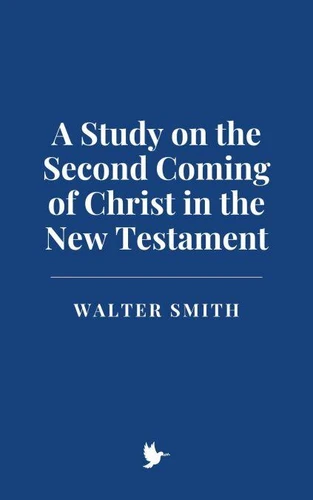
A Study on the Second Coming of Christ in the New Testament
Par :Formats :
Disponible dans votre compte client Decitre ou Furet du Nord dès validation de votre commande. Le format ePub est :
- Compatible avec une lecture sur My Vivlio (smartphone, tablette, ordinateur)
- Compatible avec une lecture sur liseuses Vivlio
- Pour les liseuses autres que Vivlio, vous devez utiliser le logiciel Adobe Digital Edition. Non compatible avec la lecture sur les liseuses Kindle, Remarkable et Sony
 , qui est-ce ?
Notre partenaire de plateforme de lecture numérique où vous retrouverez l'ensemble de vos ebooks gratuitement
Pour en savoir plus sur nos ebooks, consultez notre aide en ligne ici
C'est si simple ! Lisez votre ebook avec l'app Vivlio sur votre tablette, mobile ou ordinateur :

- FormatePub
- ISBN8230862444
- EAN9798230862444
- Date de parution12/01/2025
- Protection num.pas de protection
- Infos supplémentairesepub
- ÉditeurIndependently Published
Résumé
The book explores the doctrine of the Second Coming of Christ in the New Testament, delving into the various aspects of eschatology and its significance for Christian theology and practice. It begins by analyzing the historical and biblical foundations of the Second Coming, tracing its roots through the teachings of Jesus, the Apostles, and early Christian writings. The text highlights the key eschatological events, such as the judgment of the living and the dead, the resurrection, the defeat of evil, and the establishment of God's eternal Kingdom.
The book examines the role of the Church in this eschatological framework, exploring how the Church's mission is informed by the hope of Christ's return and the ultimate fulfillment of God's redemptive plan. It reflects on the Church's role in both anticipating the coming Kingdom and actively participating in its manifestation in the present world through acts of justice, mercy, and evangelism. Throughout the text, the author draws on the writings of early Church Fathers, Reformers, and modern theologians, providing a comprehensive theological perspective on the Second Coming.
It explores various interpretations of the millennium, resurrection, and the final judgment, offering both historical and contemporary insights into how these doctrines have shaped Christian thought and practice. The book ultimately presents a vision of hope, urging believers to live in anticipation of the fulfillment of God's promises, looking forward to the ultimate restoration of creation, the final defeat of evil, and the establishment of a new heaven and new earth where God will dwell with His people forever.
The author also addresses the moral and ethical implications of eschatology, emphasizing the call for Christians to live faithfully in the present age, embodying the values of God's Kingdom while eagerly awaiting Christ's return. The eternal state, characterized by perfect communion with God and the complete restoration of all things, is depicted as the ultimate hope for believers, shaping their identity and mission in the world.
In sum, the book offers a thorough exploration of the Second Coming and its profound impact on Christian theology, ethics, and hope for the future.
The book examines the role of the Church in this eschatological framework, exploring how the Church's mission is informed by the hope of Christ's return and the ultimate fulfillment of God's redemptive plan. It reflects on the Church's role in both anticipating the coming Kingdom and actively participating in its manifestation in the present world through acts of justice, mercy, and evangelism. Throughout the text, the author draws on the writings of early Church Fathers, Reformers, and modern theologians, providing a comprehensive theological perspective on the Second Coming.
It explores various interpretations of the millennium, resurrection, and the final judgment, offering both historical and contemporary insights into how these doctrines have shaped Christian thought and practice. The book ultimately presents a vision of hope, urging believers to live in anticipation of the fulfillment of God's promises, looking forward to the ultimate restoration of creation, the final defeat of evil, and the establishment of a new heaven and new earth where God will dwell with His people forever.
The author also addresses the moral and ethical implications of eschatology, emphasizing the call for Christians to live faithfully in the present age, embodying the values of God's Kingdom while eagerly awaiting Christ's return. The eternal state, characterized by perfect communion with God and the complete restoration of all things, is depicted as the ultimate hope for believers, shaping their identity and mission in the world.
In sum, the book offers a thorough exploration of the Second Coming and its profound impact on Christian theology, ethics, and hope for the future.
A propos de Walter Smith


2,99 €


2,99 €

2,99 €


2,99 €

2,99 €

2,99 €

2,99 €


2,99 €


2,99 €


2,99 €