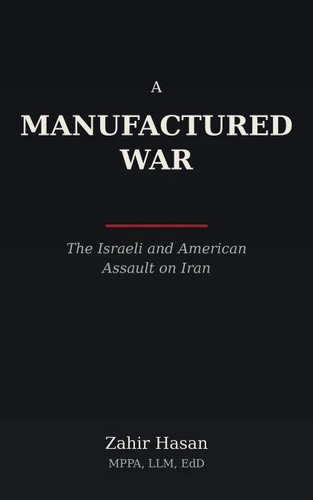
On 28 February 2026, American and Israeli aircraft struck Iran. Within hours the Supreme Leader was dead, the Strait of Hormuz was closing, and the world was pricing in the largest oil shock in history. Governments called it necessity. This book calls it a choice. A Manufactured War traces how three decades of warnings, the deliberate dismantling of the nuclear deal, and the domestic troubles of two embattled leaders converged to produce a war that experts had long predicted - and that diplomacy had nearly prevented just days before the first strikes.
It follows the conflict from Tehran to Gaza, Lebanon, and the tankers idling outside Hormuz, and asks why no power was willing to stop it. Drawing on parliamentary briefings, government documents, and research from across the region - fully referenced throughout - this is a clear, unflinching account for students of policy, for investors, and for every reader who wants to understand how avoidable wars are made, and how they might be made harder.
On 28 February 2026, American and Israeli aircraft struck Iran. Within hours the Supreme Leader was dead, the Strait of Hormuz was closing, and the world was pricing in the largest oil shock in history. Governments called it necessity. This book calls it a choice. A Manufactured War traces how three decades of warnings, the deliberate dismantling of the nuclear deal, and the domestic troubles of two embattled leaders converged to produce a war that experts had long predicted - and that diplomacy had nearly prevented just days before the first strikes.
It follows the conflict from Tehran to Gaza, Lebanon, and the tankers idling outside Hormuz, and asks why no power was willing to stop it. Drawing on parliamentary briefings, government documents, and research from across the region - fully referenced throughout - this is a clear, unflinching account for students of policy, for investors, and for every reader who wants to understand how avoidable wars are made, and how they might be made harder.

 , qui est-ce ?