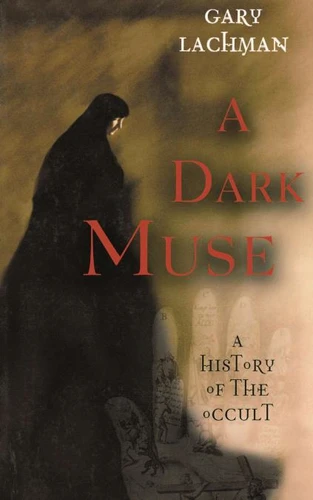
A Dark Muse. A History of the Occult
Par :Formats :
Disponible dans votre compte client Decitre ou Furet du Nord dès validation de votre commande. Le format ePub protégé est :
- Compatible avec une lecture sur My Vivlio (smartphone, tablette, ordinateur)
- Compatible avec une lecture sur liseuses Vivlio
- Pour les liseuses autres que Vivlio, vous devez utiliser le logiciel Adobe Digital Edition. Non compatible avec la lecture sur les liseuses Kindle, Remarkable et Sony
- Non compatible avec un achat hors France métropolitaine
 , qui est-ce ?
Notre partenaire de plateforme de lecture numérique où vous retrouverez l'ensemble de vos ebooks gratuitement
Pour en savoir plus sur nos ebooks, consultez notre aide en ligne ici
C'est si simple ! Lisez votre ebook avec l'app Vivlio sur votre tablette, mobile ou ordinateur :

- Nombre de pages378
- FormatePub
- ISBN978-0-7867-5190-7
- EAN9780786751907
- Date de parution08/09/2009
- Protection num.Adobe DRM
- Infos supplémentairesepub
- ÉditeurBasic Books
Résumé
The occult was a crucial influence on the Renaissance, and it obsessed the popular thinkers of the day. But with the Age of Reason, occultism was sidelined; only charlatans found any use for it. Occult ideas did not disappear, however, but rather went underground. It developed into a fruitful source of inspiration for many important artists. Works of brilliance, sometimes even of genius, were produced under its influence.
In A Dark Muse, Lachman discusses the Enlightenment obsession with occult politics, the Romantic explosion, the futuristic occultism of the fin de sièe, and the deep occult roots of the modernist movement. Some of the writers and thinkers featured in this hidden history of western thought and sensibility are Emanuel Swedenborg, Charles Baudelaire, J. K. Huysmans, August Strindberg, William Blake, Goethe, Madame Blavatsky, H.
G. Wells, Edgar Allan Poe, and Malcolm Lowry.
In A Dark Muse, Lachman discusses the Enlightenment obsession with occult politics, the Romantic explosion, the futuristic occultism of the fin de sièe, and the deep occult roots of the modernist movement. Some of the writers and thinkers featured in this hidden history of western thought and sensibility are Emanuel Swedenborg, Charles Baudelaire, J. K. Huysmans, August Strindberg, William Blake, Goethe, Madame Blavatsky, H.
G. Wells, Edgar Allan Poe, and Malcolm Lowry.
A propos de Gary Lachman
5,72 €