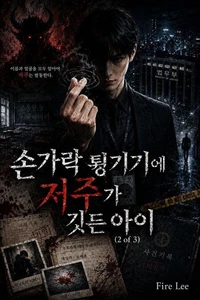
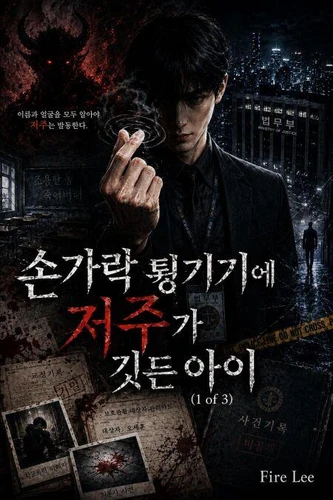
He knows your name. He knows your face. Then he snaps his fingers. And someone dies. Minjun Kang was a quiet middle school student. He rarely spoke. He endured the bullying, the humiliation, and the violence without fighting back. Teachers failed to see what was happening, classmates looked away, and the abuse continued as if nothing were wrong. Then, one day, Minjun snapped his fingers. Snap. One of his tormentors died.
At first, he thought it was a coincidence. Then another death followed. Minjun slowly discovers that an impossible power has taken root in his fingers. If he knows a person's name and face, a snap of his fingers can bring death. But learning how the power works creates a far more dangerous question. Who deserves to die?The boy who beat him?The one who laughed?The one who blocked the door and watched?The one who apologized?Does guilt have degrees?And can death ever be a just punishment?Fifteen years later, Minjun is thirty years old.
He has studied the law and now works in legal administration. Not because he believes the law is perfect, but because he wants to understand exactly where it works-and where it stops. He processes legal documents, reviews disputes, and watches the machinery of justice move through rules, evidence, and procedure. Then he encounters people who know how to exploit its limits. People who threaten victims without leaving evidence.
People who understand the law well enough not to fear it. People who can continue hurting others even while the authorities are trying to stop them. And after fifteen years of silence, Minjun's right hand begins to move again. Snap. Where the law stops, death begins. But is it justice?Revenge?Or simply murder committed by someone no one can ever prove guilty?The Boy with a Curse in His Finger Snap is a Korean supernatural crime thriller about law and punishment, memory and hatred, victimhood and guilt, and the terrifying boundary between justice and private vengeance.
Some may see Minjun Kang as a victim. Some may call him a murderer. Others may believe he is delivering the punishment the law could not. There is no easy answer. If evil exists beyond the reach of the law, who has the right to judge it?
He knows your name. He knows your face. Then he snaps his fingers. And someone dies. Minjun Kang was a quiet middle school student. He rarely spoke. He endured the bullying, the humiliation, and the violence without fighting back. Teachers failed to see what was happening, classmates looked away, and the abuse continued as if nothing were wrong. Then, one day, Minjun snapped his fingers. Snap. One of his tormentors died.
At first, he thought it was a coincidence. Then another death followed. Minjun slowly discovers that an impossible power has taken root in his fingers. If he knows a person's name and face, a snap of his fingers can bring death. But learning how the power works creates a far more dangerous question. Who deserves to die?The boy who beat him?The one who laughed?The one who blocked the door and watched?The one who apologized?Does guilt have degrees?And can death ever be a just punishment?Fifteen years later, Minjun is thirty years old.
He has studied the law and now works in legal administration. Not because he believes the law is perfect, but because he wants to understand exactly where it works-and where it stops. He processes legal documents, reviews disputes, and watches the machinery of justice move through rules, evidence, and procedure. Then he encounters people who know how to exploit its limits. People who threaten victims without leaving evidence.
People who understand the law well enough not to fear it. People who can continue hurting others even while the authorities are trying to stop them. And after fifteen years of silence, Minjun's right hand begins to move again. Snap. Where the law stops, death begins. But is it justice?Revenge?Or simply murder committed by someone no one can ever prove guilty?The Boy with a Curse in His Finger Snap is a Korean supernatural crime thriller about law and punishment, memory and hatred, victimhood and guilt, and the terrifying boundary between justice and private vengeance.
Some may see Minjun Kang as a victim. Some may call him a murderer. Others may believe he is delivering the punishment the law could not. There is no easy answer. If evil exists beyond the reach of the law, who has the right to judge it?

 , qui est-ce ?