Dernière sortie
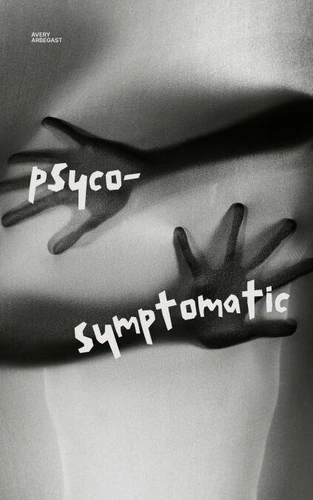
Psycosymptomatic
There is a strange violence in becoming a person. Not the sort that announces itself, but the quieter kind: wanting too much, trusting the wrong certainty, mistaking attention for permanence, discovering how quickly devotion can sour into dependence, and realizing that sometimes the person you are most capable of abandoning is yourself. This collection lives inside those less flattering rooms of girlhood and young womanhood.
It moves through imagined motherhood and its terror, the ugliness of judgment, bodies that seem to turn against their owners, love after its sweetness has worn thin, depression disguised as vitality, obsession disguised as loyalty, and the peculiar numbness that follows having felt everything too loudly for too long. It is interested not only in heartbreak, but in what heartbreak exposes: vanity, desperation, jealousy, self-erasure, appetite, shame, and the private bargains we make when we are afraid of being left.
These poems do not offer a polished version of recovery. They linger instead with contradiction: wanting what frightens you, mourning what harmed you, knowing better and behaving worse, craving closeness and resenting its cost. Here, healing is neither clean nor particularly noble. Sometimes it is merely resisting an old impulse. Sometimes it is learning to be unimpressive. Sometimes it is waking one morning to find that something which once governed your entire life has, without ceremony, become smaller.
Written in language that moves between the antique and the immediate, this collection treats ordinary experiences as artifacts worth turning over in the hand. It asks what remains after certainty fails, after romance loses its authority, after the performance ends and there is no audience left to please. Above all, this is a book about the uncomfortable distance between being hurt and becoming someone new.
It does not promise that everything leaves. Only that, eventually, not everything gets to stay enormous.
It moves through imagined motherhood and its terror, the ugliness of judgment, bodies that seem to turn against their owners, love after its sweetness has worn thin, depression disguised as vitality, obsession disguised as loyalty, and the peculiar numbness that follows having felt everything too loudly for too long. It is interested not only in heartbreak, but in what heartbreak exposes: vanity, desperation, jealousy, self-erasure, appetite, shame, and the private bargains we make when we are afraid of being left.
These poems do not offer a polished version of recovery. They linger instead with contradiction: wanting what frightens you, mourning what harmed you, knowing better and behaving worse, craving closeness and resenting its cost. Here, healing is neither clean nor particularly noble. Sometimes it is merely resisting an old impulse. Sometimes it is learning to be unimpressive. Sometimes it is waking one morning to find that something which once governed your entire life has, without ceremony, become smaller.
Written in language that moves between the antique and the immediate, this collection treats ordinary experiences as artifacts worth turning over in the hand. It asks what remains after certainty fails, after romance loses its authority, after the performance ends and there is no audience left to please. Above all, this is a book about the uncomfortable distance between being hurt and becoming someone new.
It does not promise that everything leaves. Only that, eventually, not everything gets to stay enormous.
Les livres de Avery Arbegast


3,49 €
SubOptimal
E-book
2,99 €
Born
E-book
3,49 €
![[Unavailable]](https://products-images.di-static.com/image/avery-arbegast-unavailable/9798233746123-200x303-1.webp)
[Unavailable]
E-book
2,99 €
Survivors Liturgy
E-book
2,99 €
Check Yes for No
E-book
1,99 €