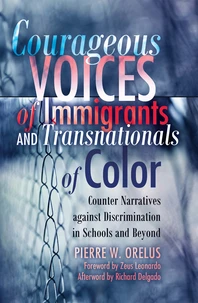
Pierre W. Orelus is Assistant Professor in the Curriculum and Instruction Department at New Mexico State University. His research interests include post-colonial studies ; bi-literacy ; bilingualism ; immigrant and transnational studies ; race, class, and gender studies ; and critical pedagogy. Dr. Orelus's recent books include Rethinking Race, Class, Gender, and Language and Courageous Voices of Immigrants and Transnationals of Color (Peter Lang, 2011).
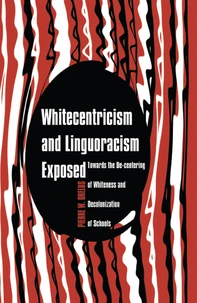
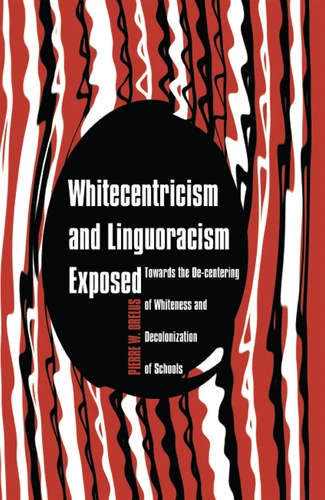
Whitecentricism and Linguoracism Exposed. Towards the De-Centering of Whiteness and Decolonization of Schools
Par :Formats :
- Paiement en ligne :
- Livraison à domicile ou en point Mondial Relay estimée à partir du 2 octobreCet article sera commandé chez un fournisseur et vous sera envoyé 25 jours après la date de votre commande.
- Retrait Click and Collect en magasin gratuit
- Nombre de pages98
- ISBN978-1-4331-1983-5
- EAN9781433119835
- Date de parution01/04/2013
- CollectionCritical Multicultural Perspec
- ÉditeurPeter Lang
Résumé
Whitecentricism and English hegemony are two forms of oppression that have affected and limited the life chances of linguistically, racialized, and culturally diverse people, including students. In this book, the author draws on postcolonial and socio-cultural theories and resistant narratives to build a strong argument to counter such hegemony. He a rgues that whitecentricism and linguoracism are two dominant ideologies that structurally privilege Whites over non-Whites and monolinguals of English over bilingual and multilingual speakers.
He also unveils the psychological and socio-economic effects of whitecentricism and linguoracism on historically and linguistically marginalized groups, including linguistically and culturally diverse students. Finally, the author proposes that whiteness be de-centered and the English-only movement be counteracted for the construction of a more racially and linguistically inclusive and equitable society.
He also unveils the psychological and socio-economic effects of whitecentricism and linguoracism on historically and linguistically marginalized groups, including linguistically and culturally diverse students. Finally, the author proposes that whiteness be de-centered and the English-only movement be counteracted for the construction of a more racially and linguistically inclusive and equitable society.