SOLDES
Jusqu'à -70% sur une sélection d'articles*

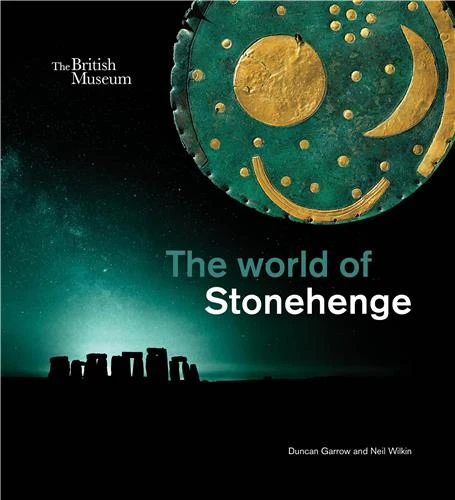
The world of Stonehenge
Par : ,Formats :
- Paiement en ligne :
- Livraison à domicile ou en point Mondial Relay estimée à partir du 20 novembreCet article sera commandé chez un fournisseur et vous sera envoyé 127 jours après la date de votre commande.
- Retrait Click and Collect en magasin gratuit
- Livraison à domicile ou en point Mondial Relay estimée à partir du 20 novembre
- Réservation en ligne avec paiement en magasin :
- Indisponible pour réserver et payer en magasin
- Nombre de pages271
- FormatBeau Livre
- PrésentationRelié
- Poids1.82 kg
- Dimensions25,0 cm × 28,0 cm × 2,5 cm
- ISBN978-0-7141-2349-3
- EAN9780714123493
- Date de parution17/02/2022
- ÉditeurBritish museum press
Résumé
Stonehenge is one of the best known, but most misunderstood, monuments in the world. Contrary to common belief, it was not a static, unchanging structure built by shadowy figures or Druids. Rather it represents the cumulative achievements of numerous generations who were woven into a complex and widespread network of cultural interactions, environmental change and belief systems. This publication, which accompanies the first exhibition about Stonehenge ever staged in London, uses the monument as a gateway to explore the communities and civilisations active at the time of its construction and beyond, between 4000 and 1000 BC.
Recent archaeological findings regarding the origin of Stonehenge's striking 'bluestones' have reignited interest in this ancient wonder, the people who built it and the beliefs they held. Authors Duncan Garrow and Neil Wilkin examine the dramatic cultural and societal shifts that characterised the world of Stonehenge — including the introduction of farming and development of metalworking — through the iconic structure itself, as well as spectacular treasures of precious and exotic material and more humble, personal objects created at that time.
Covering a period of thousands of years, this publication traces the appearance of the first monuments around 4000 BC, through to the arrival of the bluestones from the Preseli Mountains in south-west Wales a millennium later, all the way up to a remarkable era of cross-Channel connectivity and trade between 1500 and 800 BC.
Recent archaeological findings regarding the origin of Stonehenge's striking 'bluestones' have reignited interest in this ancient wonder, the people who built it and the beliefs they held. Authors Duncan Garrow and Neil Wilkin examine the dramatic cultural and societal shifts that characterised the world of Stonehenge — including the introduction of farming and development of metalworking — through the iconic structure itself, as well as spectacular treasures of precious and exotic material and more humble, personal objects created at that time.
Covering a period of thousands of years, this publication traces the appearance of the first monuments around 4000 BC, through to the arrival of the bluestones from the Preseli Mountains in south-west Wales a millennium later, all the way up to a remarkable era of cross-Channel connectivity and trade between 1500 and 800 BC.