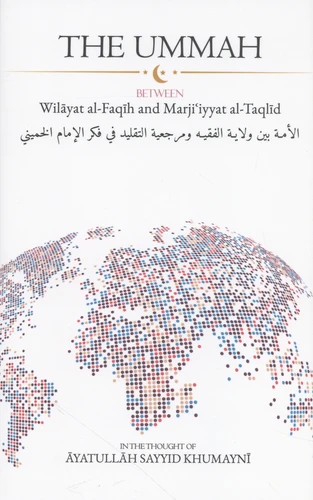
It is asserted that the Guardianship of the Jurist is necessary and evident and does not need to be proved by an expert in Islamic ideology and provisions. This seminal doctrine is as fundamental as religious emulation (taglid) shaping and the contours of Shii governance and faith. This book delves into the foundational concept of the Guardianship of the Jurist (Wilayat al-Fagih) and its interplay with the Marji'iyyat al-Taglid - the authority of religious leaders to be followed by Shia Muslims.
It explores the crucial role of a just juristic guardian in maintaining public order and the intricate and dynamic relationship between this guardianship and the traditional Marji'iyyat al-Taglid. It critically examines the reasons behind the persistent alienation of this principle within the Islamic community despite its apparent self-evidence and inherent necessity. This study provides a comprehensive understanding of the theoretical underpinnings of Wilayat al-Fagih.
It engages with the practical and historical dynamics that have influenced its interpretation and implementation, especially concerning the recognized religious authorities under Marji'iyyat al-Taglid.
It is asserted that the Guardianship of the Jurist is necessary and evident and does not need to be proved by an expert in Islamic ideology and provisions. This seminal doctrine is as fundamental as religious emulation (taglid) shaping and the contours of Shii governance and faith. This book delves into the foundational concept of the Guardianship of the Jurist (Wilayat al-Fagih) and its interplay with the Marji'iyyat al-Taglid - the authority of religious leaders to be followed by Shia Muslims.
It explores the crucial role of a just juristic guardian in maintaining public order and the intricate and dynamic relationship between this guardianship and the traditional Marji'iyyat al-Taglid. It critically examines the reasons behind the persistent alienation of this principle within the Islamic community despite its apparent self-evidence and inherent necessity. This study provides a comprehensive understanding of the theoretical underpinnings of Wilayat al-Fagih.
It engages with the practical and historical dynamics that have influenced its interpretation and implementation, especially concerning the recognized religious authorities under Marji'iyyat al-Taglid.