SOLDES
Jusqu'à -70% sur une sélection d'articles*

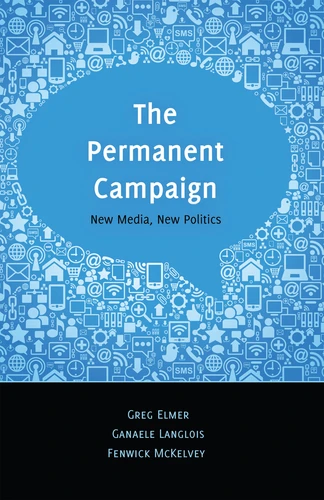
The Permanent Campaign. New Media, New Politics
Par : , ,Formats :
- Paiement en ligne :
- Livraison à domicile ou en point Mondial Relay estimée à partir du 24 novembreCet article sera commandé chez un fournisseur et vous sera envoyé 127 jours après la date de votre commande.
- Retrait Click and Collect en magasin gratuit
- Livraison à domicile ou en point Mondial Relay estimée à partir du 24 novembre
- Réservation en ligne avec paiement en magasin :
- Indisponible pour réserver et payer en magasin
- Nombre de pages144
- ISBN978-1-4331-1593-6
- EAN9781433115936
- Date de parution01/11/2012
- CollectionDigital Formations
- ÉditeurPeter Lang
Résumé
From the social media-based 2008 Obama election campaign to the civic protest and political revolutions of the 2011 Arab Spring, the past few years have been marked by a widespread and complex shift in the political landscape, as the rise of participatory platforms – such as YouTube, Twitter, Facebook, and blogs – have multiplied the venues for political communication and activism. This book explores the emergence of a permanent campaign – the need for constant readiness – on networked communication platforms, focusing on political moments, crises and elections in Canada, the U.S.A., and Australia.
The book chapters investigate the proliferation of new political actors and communicators : political bloggers, advocacy groups, diverse publics, and political party staff as they engage in political maneuvers across participatory platforms. With in-depth analyses of some of the most well-known participatory media today, this book offers a critical assessment of the constant efforts at managing the plurality of voices that characterize contemporary politics.
The book chapters investigate the proliferation of new political actors and communicators : political bloggers, advocacy groups, diverse publics, and political party staff as they engage in political maneuvers across participatory platforms. With in-depth analyses of some of the most well-known participatory media today, this book offers a critical assessment of the constant efforts at managing the plurality of voices that characterize contemporary politics.