SOLDES
Jusqu'à -70% sur une sélection d'articles*

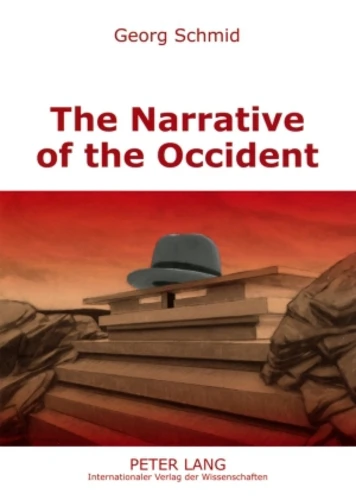
The Narrative of the Occident. An Essay on Its Present State
Par :Formats :
- Paiement en ligne :
- Livraison à domicile ou en point Mondial Relay estimée à partir du 18 novembreCet article sera commandé chez un fournisseur et vous sera envoyé 127 jours après la date de votre commande.
- Retrait Click and Collect en magasin gratuit
- Livraison à domicile ou en point Mondial Relay estimée à partir du 18 novembre
- Réservation en ligne avec paiement en magasin :
- Indisponible pour réserver et payer en magasin
- Nombre de pages468
- ISBN978-3-631-57562-8
- EAN9783631575628
- Date de parution01/03/2009
- ÉditeurPeter Lang
Résumé
Civilizations "narrate themselves" in order to establish legitimacy, succeed against others, portray their own merits to their best advantage. The results express societal dynamics, yet also have a retroactive effect and decisively influence the self-conceptions of the "initiating societies". Political philosophies, interpretations of history and social perceptions of artistic achievements all contribute to these narratives.
The dignified components, however, are by no means the sole or even the most important ones. Distinction in material culture (technological proficiency, popular art forms, etc.) or economic adroitness are even more consequential. The occidental narrative has been badly vacillating lately. Its severe crisis – due in part to a lack of collective self-confidence, but also to disagreements between its main strands – merits a meticulous analysis of a multitude of criteria.
The resulting critique is embedded in reflections on a general theory of narrativity.
The dignified components, however, are by no means the sole or even the most important ones. Distinction in material culture (technological proficiency, popular art forms, etc.) or economic adroitness are even more consequential. The occidental narrative has been badly vacillating lately. Its severe crisis – due in part to a lack of collective self-confidence, but also to disagreements between its main strands – merits a meticulous analysis of a multitude of criteria.
The resulting critique is embedded in reflections on a general theory of narrativity.