SOLDES
Jusqu'à -70% sur une sélection d'articles*

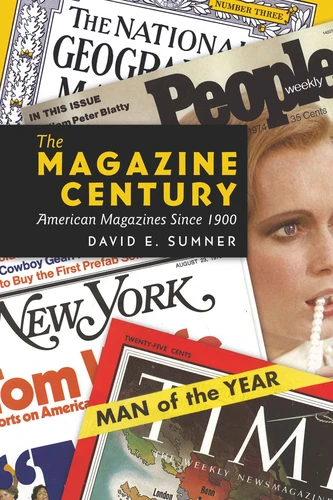
The Magazine Century. American Magazines Since 1900
Par :Formats :
- Paiement en ligne :
- Livraison à domicile ou en point Mondial Relay estimée à partir du 24 novembreCet article sera commandé chez un fournisseur et vous sera envoyé 127 jours après la date de votre commande.
- Retrait Click and Collect en magasin gratuit
- Livraison à domicile ou en point Mondial Relay estimée à partir du 24 novembre
- Réservation en ligne avec paiement en magasin :
- Indisponible pour réserver et payer en magasin
- Nombre de pages242
- ISBN978-1-4331-0493-0
- EAN9781433104930
- Date de parution01/06/2010
- CollectionMediating American History
- ÉditeurPeter Lang
Résumé
The twentieth century was the magazine century in many ways. Between 1900 and 2000, the number of magazines grew from about 3,000 to 17,815 – a 593 percent increase, which exceeded population growth by 95 percent. The typical American read less than half a magazine per month in 1920, but by 2000 that figure had tripled. This book examines how and why magazines grew so rapidly. Structured chronologically by decade, it tells the stories of innovative publishers, editors, and magazines, and how and why they succeeded.
Illuminating how the move from general interest to niche audiences originated early in the century – not after the rise of television – the book also shows how the growth of advertising enabled the cost of magazines to steadily decline. However, declining costs and expanding audiences brought a steady erosion in the intellectual content of magazines, illustrated by the rise in sex and celebrity titles during the 1970s and later.
The book concludes with an assessment of the decade since 2000, and offers an optimistic outlook for the future of magazines.
Illuminating how the move from general interest to niche audiences originated early in the century – not after the rise of television – the book also shows how the growth of advertising enabled the cost of magazines to steadily decline. However, declining costs and expanding audiences brought a steady erosion in the intellectual content of magazines, illustrated by the rise in sex and celebrity titles during the 1970s and later.
The book concludes with an assessment of the decade since 2000, and offers an optimistic outlook for the future of magazines.