

Arnold Aronson is a theatre historian and professor of theatre at Columbia University in Ness York City, USA.
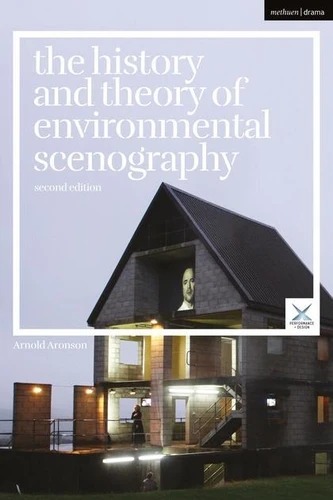
The History and Theory of Environmental Scenography
2nd edition
Par : Formats :
- Paiement en ligne :
- Livraison à domicile ou en point Mondial Relay estimée à partir du 30 septembreCet article sera commandé chez un fournisseur et vous sera envoyé 25 jours après la date de votre commande.
- Retrait Click and Collect en magasin gratuit
- Réservation en ligne avec paiement en magasin :
- Indisponible pour réserver et payer en magasin
- Nombre de pages254
- FormatGrand Format
- PrésentationBroché
- Poids0.425 kg
- Dimensions15,5 cm × 23,0 cm × 1,5 cm
- ISBN978-1-4742-8396-0
- EAN9781474283960
- Date de parution28/06/2018
- ÉditeurMethuen Drama
Résumé
A classic work of theatre historyand criticism Mien first published,ArnoldAronson's formative study surveyed the phenomenon known as environmental theatre. Now updated in this second edition to reflect developments and practice since the 1980s, it offers readers a comprehensive study of the theatre practice which has evolved to become the dominant mode of much contemporary innovative performance. For most audiences, particularly in the Westem tradition, theatre means going to a building where seats face a stage on which actors perform a play.
But there has always been a vital alternative that came to be known as environmental theatre. Whether in folk performances, street theatre, avant-garde pertbnnance, utopian architecture, Happenings, mass spectacles, or contemporary immersive theatre, the relationship of the spectator to the performance has been one in which the audience is surrounded orimmersed in a shared space, in which the multiple events may be happening simultaneously, and in which the experience of theatrical space is visceral and often kinetic.
This book examines the history of this phenomenon and looks at a range of contemporary practice. New chapters explore how the "transformed spaces" of earlier work have become the interactive and immersive productions that characterize the work of companies such as Punchdrunk, dreamthinkspealçTeatm da Vertigem, En Garde Arts, and The Industry, among others. Updated to take account of the burgeoning scholarship on thesublect The History andTheory of Envimnmental Scenography remains the authoritative account that illuminates present-day theatre practice and its antecedents.
But there has always been a vital alternative that came to be known as environmental theatre. Whether in folk performances, street theatre, avant-garde pertbnnance, utopian architecture, Happenings, mass spectacles, or contemporary immersive theatre, the relationship of the spectator to the performance has been one in which the audience is surrounded orimmersed in a shared space, in which the multiple events may be happening simultaneously, and in which the experience of theatrical space is visceral and often kinetic.
This book examines the history of this phenomenon and looks at a range of contemporary practice. New chapters explore how the "transformed spaces" of earlier work have become the interactive and immersive productions that characterize the work of companies such as Punchdrunk, dreamthinkspealçTeatm da Vertigem, En Garde Arts, and The Industry, among others. Updated to take account of the burgeoning scholarship on thesublect The History andTheory of Envimnmental Scenography remains the authoritative account that illuminates present-day theatre practice and its antecedents.