SOLDES
Jusqu'à -70% sur une sélection d'articles*


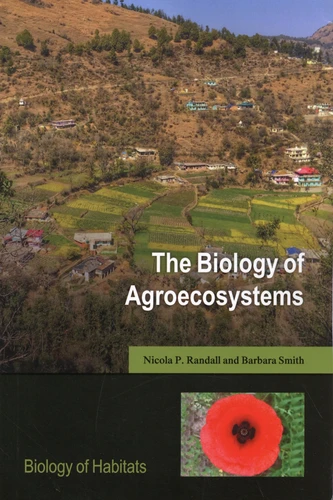
The Biology of Agroecosystems
Par : ,Formats :
- Paiement en ligne :
- Livraison à domicile ou en point Mondial Relay estimée à partir du 13 novembreCet article sera commandé chez un fournisseur et vous sera envoyé 127 jours après la date de votre commande.
- Retrait Click and Collect en magasin gratuit
- Livraison à domicile ou en point Mondial Relay estimée à partir du 13 novembre
- Réservation en ligne avec paiement en magasin :
- Indisponible pour réserver et payer en magasin
- Nombre de pages196
- FormatGrand Format
- PrésentationBroché
- Poids0.355 kg
- Dimensions15,5 cm × 23,5 cm × 1,0 cm
- ISBN978-0-19-873753-7
- EAN9780198737537
- Date de parution01/01/2020
- CollectionBiology of Habitats
- ÉditeurOxford University Press
Résumé
Since the advent of agriculture approximate 12,000 years ago, human activity has created a unique set of systems. However, the recent development of world markets, rapid technological advances, and other changes to farming practices have led to hugely increased pressures on farm habitats and organisms. Global human populations are rising and diets are becoming ever more complicated, leading to unrelenting requirements for increased levels of food production.
Natural biotopes are becoming increasingly fragmented as agricultural activities expand around them. 'Agroecosystems' now occur from the tropics to subarctic environments and comprise systems as varied as annual crops, perennial grasslands, orchards, and agrofonestry systems. They presently cover almost 40 per cent of the terrestrial land surface and significantly shape landscapes at a global scale.
This key addition to the OUP Biology of Habitats Series provides a novel perspective on agroecosystems, summarizing our current understanding of the basic and applied aspects of these important and complex habitats, while focusing on environmental concerns in the context of global change.
Natural biotopes are becoming increasingly fragmented as agricultural activities expand around them. 'Agroecosystems' now occur from the tropics to subarctic environments and comprise systems as varied as annual crops, perennial grasslands, orchards, and agrofonestry systems. They presently cover almost 40 per cent of the terrestrial land surface and significantly shape landscapes at a global scale.
This key addition to the OUP Biology of Habitats Series provides a novel perspective on agroecosystems, summarizing our current understanding of the basic and applied aspects of these important and complex habitats, while focusing on environmental concerns in the context of global change.