
Ahmed Bedjaoui is Professor of Cinema at the University of Algiers3, producer, film critic and former director of the Cinémathèque Algérienne. Winner of UNESCO's Fellini Medal in 2015, he is the author of several landmark works on Algerian cinema.
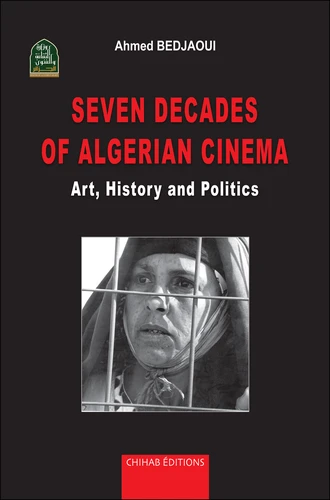
Seven decades of Algerian cinema. Art, History and Politics
Par :Formats :
- Paiement en ligne :
- Livraison à domicile ou en point Mondial Relay estimée à partir du 9 octobreCet article sera commandé chez un fournisseur et vous sera envoyé 22 jours après la date de votre commande.
- Retrait Click and Collect en magasin gratuit
- Réservation en ligne avec paiement en magasin :
- Indisponible pour réserver et payer en magasin
- Nombre de pages200
- FormatGrand Format
- PrésentationBroché
- Dimensions15,5 cm × 23,5 cm × 0,0 cm
- ISBN978-9947-39-743-5
- EAN9789947397435
- Date de parution28/10/2025
- ÉditeurChihab éditions
Résumé
From the first images captured in the maquis during the war of liberation to contemporary productions celebrated at international festivals, Algerian cinema has traversed seven tumultuous decades reflecting the profound transformations of a society in search of its identity. Ahmed Bedjaoui, a key figure in Algerian cinema, brings together in this volume his major contributions published in international journals.
Through a series of articles, interviews and critical analyses, he offers a transdisciplinary reading of Algerian cinema at the crossroads of history, politics and cultural studies. From the battle of images waged by the FLN during the war of independence to the current challenges facing the film industry, from the emergence of women›s cinema confronting Islamic fundamentalism to American influences on filmmakers like Rachid Bouchareb, this work explores the multiple facets of a cinematography that has continuously questioned History and interrogated the present.
Enhanced with analyses of emblematic films, reflections on the decolonization of the image, and testimonies about Pan-African festivals, this book addresses researchers, students in cinema and cultural studies, as well as all enthusiasts of Maghrebi and African cinema.
Through a series of articles, interviews and critical analyses, he offers a transdisciplinary reading of Algerian cinema at the crossroads of history, politics and cultural studies. From the battle of images waged by the FLN during the war of independence to the current challenges facing the film industry, from the emergence of women›s cinema confronting Islamic fundamentalism to American influences on filmmakers like Rachid Bouchareb, this work explores the multiple facets of a cinematography that has continuously questioned History and interrogated the present.
Enhanced with analyses of emblematic films, reflections on the decolonization of the image, and testimonies about Pan-African festivals, this book addresses researchers, students in cinema and cultural studies, as well as all enthusiasts of Maghrebi and African cinema.
A propos de Ahmed Bedjaoui
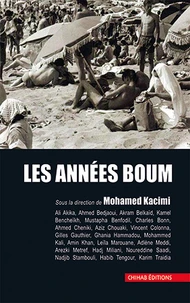
Les années boum
Grand Format
26,00 €
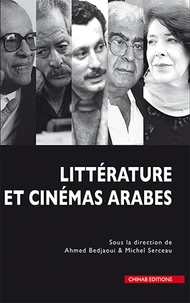
Littérature et cinémas arabes
Grand Format
21,00 €
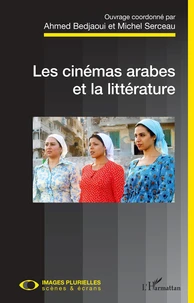
Les cinémas arabes et la littérature
Grand Format
30,50 €
18,00 €
30,00 €