

Dr. Techn. Henrik Lund is Professor in Energy Planning at Aalborg University in Denmark, the architect behind the EnergyPLAN Energy System Analysis software, and Editor-in-Chief of Elsevier's international joumal, Energy.
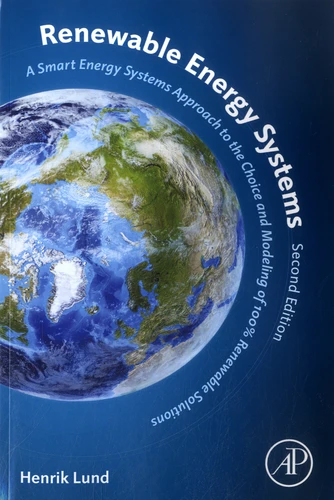
Renewable Energy Systems. A Smart Energy Systems Approach to the Choice and Modeling of 100% Renewable Solutions
2nd edition
Par : Formats :
- Nombre de pages370
- FormatGrand Format
- PrésentationBroché
- Poids0.64 kg
- Dimensions15,3 cm × 23,0 cm × 2,2 cm
- ISBN978-0-12-410423-5
- EAN9780124104235
- Date de parution01/01/2023
- ÉditeurAcademic press
Résumé
In this new edition of Renewable Energy Systems, globally recognized renewable energy researcher and professor, Henrik Lund, sets forth a straightforward, comprehensive methodology for comparing different energy systems' abilities to integrate fluctuating and intermittent renewable energy sources. The book does this by presenting an energy system analysis methodology and offering a freely available accompanying software tool, EnergyPLAN, which automates and simplifies the calculations supporting such a detailed comparative analysis.
The book provides the results of more than fifteen comprehensive energy system analysis studies, examines the large-scale integration of renewable energy into the present system, and presents concrete design examples derived from a dozen renewable energy systems around the globe. Renewable Energy Systems, Second Edition also undertakes the sociopolitical realities governing the implementation of renewable energy systems by introducing a theoretical framework approach aimed at understanding how major technological changes, such as renewable energy, can be implemented at both national and intemational levels.
The book provides the results of more than fifteen comprehensive energy system analysis studies, examines the large-scale integration of renewable energy into the present system, and presents concrete design examples derived from a dozen renewable energy systems around the globe. Renewable Energy Systems, Second Edition also undertakes the sociopolitical realities governing the implementation of renewable energy systems by introducing a theoretical framework approach aimed at understanding how major technological changes, such as renewable energy, can be implemented at both national and intemational levels.