

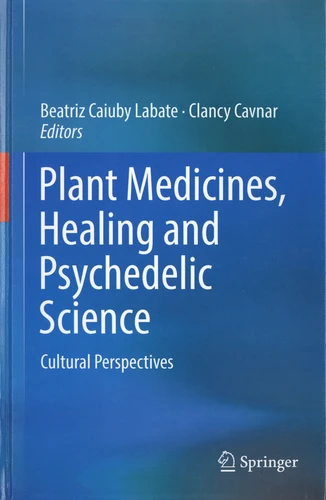
Plant medicines, healing and psychedelic science. Cultural perpectives
Par : ,Formats :
- Nombre de pages227
- FormatGrand Format
- PrésentationRelié
- Poids0.52 kg
- Dimensions16,0 cm × 24,2 cm × 1,9 cm
- ISBN978-3-319-76719-2
- EAN9783319767192
- Date de parution01/01/2018
- ÉditeurSpringer Nature
- AuteurAlexander Dawson
- AuteurErika Dyck
Résumé
This is a book about the intersections of three dimensions. The first is the way social scientists and historians treat the history of psychiatry and healing, especially as it intersects with psychedelics. The second encompasses a reflection on the substances themselves and their effects on bodies. The third addresses traditional healing, as it circles back to our understanding of drugs and psychiatry.
The chapters explore how these dimensions are distinct, but deeply intertwined, themes that offer important insights into contemporary healing practices. The intended audience of the volume is large and diverse : neuroscientists, biologists, medical doctors, psychiatrists, psychologists ; mental health professionals interested in the therapeutic application of psychedelic substances, or who work with substance abuse, depression, anxiety, and PTSD ; patients and practitioners of complementary and alternative medicine ; ethnobotanists and ethnopharmacologists ; lawyers, criminologists, and other specialists in international law working on matters related to drug policy and human rights, as well as scholars of religious studies, anthropologists, sociologists, and historians ; social scientists concerned both with the history of science, medicine, and technology, and concepts of health, illness, and healing.
It has a potentially large international audience, especially considering the increasing interest in "psychedelic science" and the growing spread of the use of traditional psychoactives in the West.
The chapters explore how these dimensions are distinct, but deeply intertwined, themes that offer important insights into contemporary healing practices. The intended audience of the volume is large and diverse : neuroscientists, biologists, medical doctors, psychiatrists, psychologists ; mental health professionals interested in the therapeutic application of psychedelic substances, or who work with substance abuse, depression, anxiety, and PTSD ; patients and practitioners of complementary and alternative medicine ; ethnobotanists and ethnopharmacologists ; lawyers, criminologists, and other specialists in international law working on matters related to drug policy and human rights, as well as scholars of religious studies, anthropologists, sociologists, and historians ; social scientists concerned both with the history of science, medicine, and technology, and concepts of health, illness, and healing.
It has a potentially large international audience, especially considering the increasing interest in "psychedelic science" and the growing spread of the use of traditional psychoactives in the West.