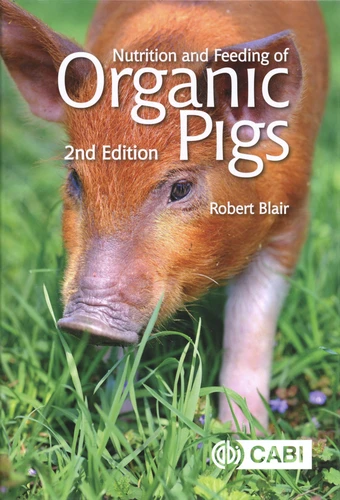
Nutrition and Feeding of Organic Pigs
2nd edition
Par : Formats :
- Paiement en ligne :
- Livraison à domicile ou en point Mondial Relay estimée à partir du 4 janvierCet article sera commandé chez un fournisseur et vous sera envoyé 127 jours après la date de votre commande.
- Retrait Click and Collect en magasin gratuit
- Nombre de pages258
- FormatGrand Format
- PrésentationRelié
- Poids0.709 kg
- Dimensions17,4 cm × 25,1 cm × 2,0 cm
- ISBN978-1-78064-790-6
- EAN9781780647906
- Date de parution21/12/2017
- ÉditeurCABI
Résumé
Organic animal production has increased rapidly in recent years to keep up with the increasing consumer demand for organic meats. There are many guidelines and restrictions on whet should go into the feedstuffs of organically farmed animals, from which difficulties arise when trying to ensure a well-balanced, nutritious diet without the use of any supplements. This second edition of Robert Blair's classic and bestselling book on the nutrition and feeding of organic pigs presents comprehensive advice that includes : formulating appropriate diets and integrating them into organic pig production systems ; international standards of organic feeding ; feed-related disease incidence in organic herds.
The book has been completely updated and revised to address how to formulate organic diets in situations where there is a declining supply of organic teed, as well as the feasibility of utilizing novel feedstuffs and their acceptability by consumers of organic meat products. Including the experiences of producers in relation to appropriate breeds and production systems for forage-based organic production, this book is an important read for researchers and students of organic food animal production, veterinary sciences and food ; as well as food industry personnel and organic farmers.
The book has been completely updated and revised to address how to formulate organic diets in situations where there is a declining supply of organic teed, as well as the feasibility of utilizing novel feedstuffs and their acceptability by consumers of organic meat products. Including the experiences of producers in relation to appropriate breeds and production systems for forage-based organic production, this book is an important read for researchers and students of organic food animal production, veterinary sciences and food ; as well as food industry personnel and organic farmers.