SOLDES
Jusqu'à -70% sur une sélection d'articles*


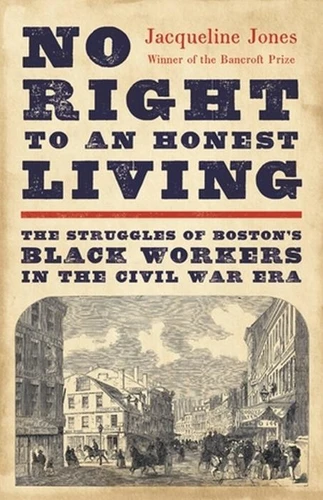
No Right to an Honest Living. The Struggles of Boston's Black Workers in the Civil War Era
Par :Formats :
- Nombre de pages532
- FormatGrand Format
- PrésentationRelié
- Poids0.808 kg
- Dimensions15,7 cm × 23,8 cm × 4,4 cm
- ISBN978-1-5416-1979-1
- EAN9781541619791
- Date de parution10/01/2023
- ÉditeurBasic Books
Résumé
Impassioned antislavery activists, writers, and orators made antebellum Boston famous as the nation's hub of radical abolitionism. For its Black workers, however, Boston was far from a beacon of equality. In No Right to an Honest Living, Bancroft Prize-winning historian Jacqueline Jones offers a searing portrait of Black labor and white hypocrisy in nineteenth-century Boston. The city, she reveals, was the United States writ small : A place where the soaring rhetoric of egalitarianism was easy, but justice in the workplace was elusive.
Before, during, and after the Civil War, white abolitionists, Republicans, and city officials refused to press for equal employment opportunity for Black Bostonians, condemning most of them to poverty. Still, Jones finds, Black residents ingeniously created their own jobs and forged their own career paths. Whether as day laborers and domestics or as physicians and lawyers, they persisted in the face of monumental obstacles to make better lives for themselves and their families.
Before, during, and after the Civil War, white abolitionists, Republicans, and city officials refused to press for equal employment opportunity for Black Bostonians, condemning most of them to poverty. Still, Jones finds, Black residents ingeniously created their own jobs and forged their own career paths. Whether as day laborers and domestics or as physicians and lawyers, they persisted in the face of monumental obstacles to make better lives for themselves and their families.
A propos de Jacqueline Jones
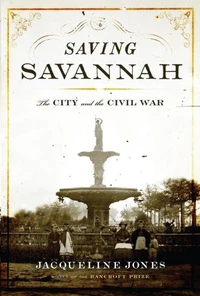
Saving Savannah
E-book
5,74 €