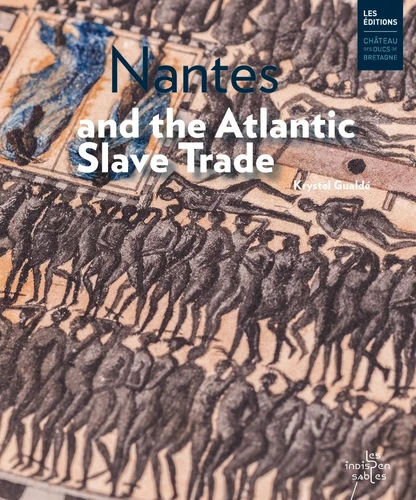
"For the Africans who lived through the experience of deportation to the Americas, confronting the unknown with neither preparation nor challenge was no doubt petrifying. [... ] But that is nothing yet. What is terrifying partakes of the abyss [... ]. "Edouard Glissant, "The Open Boat" in The Poetics of Relation. (Translated by Betsy Wing. Ann Harbor, University of Michigan Press, 1997.) The Atlantic slave trade affected between thirteen and seventeen million men, women and children, who were captured, sold and deported from Africa to colonies in America where they were enslaved.
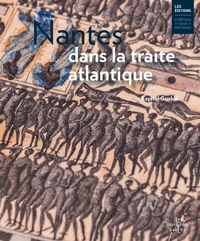
The slave trade took place primarily between the early 16 ? th century and the late 19 ? th century. France played an important role in this trafficking, organizing almost 14% of all slave-trading expeditions. The port of Nantes was France's largest slave-trading harbour. The Nantes History Museum takes an uncompromising look at the history of the city within the global context of this human trade and the abolitionist movement in Europe and around the world.
Translation by Emma Lingwood.
"For the Africans who lived through the experience of deportation to the Americas, confronting the unknown with neither preparation nor challenge was no doubt petrifying. [... ] But that is nothing yet. What is terrifying partakes of the abyss [... ]. "Edouard Glissant, "The Open Boat" in The Poetics of Relation. (Translated by Betsy Wing. Ann Harbor, University of Michigan Press, 1997.) The Atlantic slave trade affected between thirteen and seventeen million men, women and children, who were captured, sold and deported from Africa to colonies in America where they were enslaved.
The slave trade took place primarily between the early 16 ? th century and the late 19 ? th century. France played an important role in this trafficking, organizing almost 14% of all slave-trading expeditions. The port of Nantes was France's largest slave-trading harbour. The Nantes History Museum takes an uncompromising look at the history of the city within the global context of this human trade and the abolitionist movement in Europe and around the world.
Translation by Emma Lingwood.