SOLDES
Jusqu'à -70% sur une sélection d'articles*

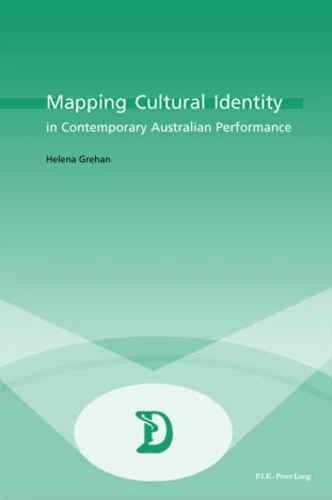
Mapping Cultural Identity in Contemporary Australian Performance
Par :Formats :
- Paiement en ligne :
- Livraison à domicile ou en point Mondial Relay estimée à partir du 20 novembreCet article sera commandé chez un fournisseur et vous sera envoyé 127 jours après la date de votre commande.
- Retrait Click and Collect en magasin gratuit
- Livraison à domicile ou en point Mondial Relay estimée à partir du 20 novembre
- Réservation en ligne avec paiement en magasin :
- Indisponible pour réserver et payer en magasin
- Nombre de pages167
- PrésentationBroché
- Dimensions15,0 cm × 22,0 cm × 0,0 cm
- ISBN90-5201-947-9
- EAN9789052019475
- Date de parution01/10/1999
- CollectionPLG.HUMANITIES
- ÉditeurPeter Lang AG
Résumé
This book is an important addition to the current body of scholarly material on contemporary performance and theatre as it provides both a detailed focus on a number of important performance works as well as developing a framework for the interpretation of contemporary performance. Through a detailed critical reading of four key Australian performance pieces, Tiger Country, Ningali, The 7 Stages of Grieving and The Geography of Haunted Places the author demonstrates the myriad ways in which cultural identity can be represented and interpreted in performance.
Grehan takes as her point of departure questions of place, belonging and cultural identity as they are currently considered and uses these questions to formulate an analytical framework for contemporary performance. Drawing on theoretical ideas of Gilles Deleuze and Félix Guattari, Rosi Braidotti and Edward Casey, the author develops her own theory of mapping as an analytical tool which is adaptable and contingent, and can facilitate the opening up of the multiple layers of meaning within contemporary performance.
In the process questions are raised about the relevance of terms such as belonging, place and representation within the often fraught post-colonial cultural landscape.
Grehan takes as her point of departure questions of place, belonging and cultural identity as they are currently considered and uses these questions to formulate an analytical framework for contemporary performance. Drawing on theoretical ideas of Gilles Deleuze and Félix Guattari, Rosi Braidotti and Edward Casey, the author develops her own theory of mapping as an analytical tool which is adaptable and contingent, and can facilitate the opening up of the multiple layers of meaning within contemporary performance.
In the process questions are raised about the relevance of terms such as belonging, place and representation within the often fraught post-colonial cultural landscape.