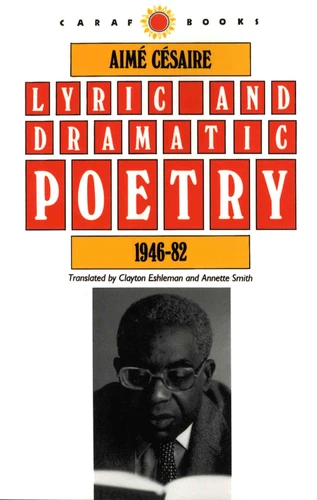
Lyric and Dramatic Poetry, 1946-82 goes beyond anything else in print (in French or in English) in that it locates the issues of Césaire's struggle with an emerging postmodern vision. It will place Césaire in a strategic position in the current debate in the U.S. over emergent literature and will show him to be a major figure in the conflict between tradition and contemporary cultural identity.
Lyric and Dramatic Poetry, 1946-82
Par :Formats :
- Paiement en ligne :
- Livraison à domicile ou en point Mondial Relay estimée à partir du 13 octobreCet article sera commandé chez un fournisseur et vous sera envoyé 25 jours après la date de votre commande.
- Retrait Click and Collect en magasin gratuit
- Nombre de pages235
- FormatGrand Format
- PrésentationBroché
- Poids0.38 kg
- Dimensions14,0 cm × 21,5 cm × 1,7 cm
- ISBN0-8139-1244-X
- EAN9780813912448
- Date de parution01/07/1990
- CollectionCARAF Books
- ÉditeurUniversity Press Virginia
- TraducteurClayton Eshleman
- TraducteurAnnette Smith
- PréfacierAlbert-James Arnold
Résumé
Aimé Césaire has been described by the Times Literary Supplement as likely to "figure alongside the Eliot-Pound-Yeats triumvirate that has dominated official poetic culture for more than fifty years." He was a cofounder and exponent of the concept of negritude and is a major spiritual, political, and literary figure. Césaire has been read politically as a poet of revolutionary zeal since the 1960s.
This collection, the only one in existence in any language to give a truly comprehensive retrospective of Césaire's poetic production, demonstrates the narrowness of earlier readings that grew out of the climate of Black Power influenced by the essays of Frantz Fanon, another Martinican, who was largely responsible for the ambient view of Césaire a generation ago. It is the first collection to translate And the Dogs Were Silent and i, laminaria...
This collection, the only one in existence in any language to give a truly comprehensive retrospective of Césaire's poetic production, demonstrates the narrowness of earlier readings that grew out of the climate of Black Power influenced by the essays of Frantz Fanon, another Martinican, who was largely responsible for the ambient view of Césaire a generation ago. It is the first collection to translate And the Dogs Were Silent and i, laminaria...
A propos de Aimé Césaire
6,00 €
4/5
La tragédie du roi Christophe
Grand Format
7,20 €
10,40 €
4/5
10,80 €
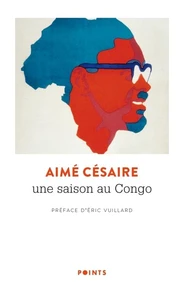
Une saison au Congo
Poche
6,95 €
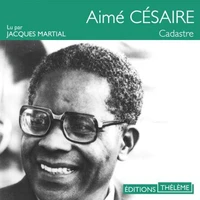
Cadastre
Audiobook
17,99 €
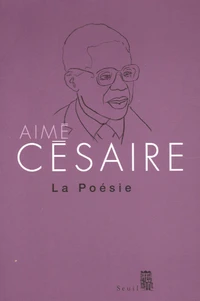
28,50 €
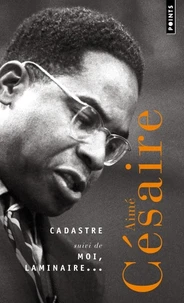
3.5/5
9,90 €
7,50 €
6,20 €
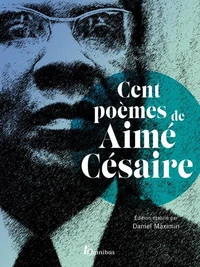
Cent poèmes de Aimé Césaire
Grand Format
32,00 €

18,26 €
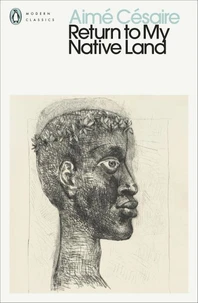
Return to My Native Land
E-book
8,99 €