SOLDES
Jusqu'à -70% sur une sélection d'articles*
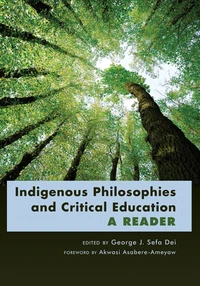
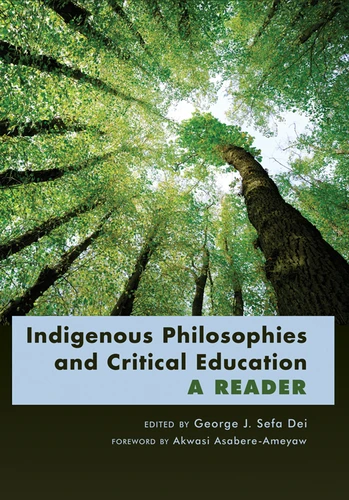
Indigenous Philosophies and Critical Education. A Reader- Foreword by Akwasi Asabere-Ameyaw
Par :Formats :
- Paiement en ligne :
- Livraison à domicile ou en point Mondial Relay estimée à partir du 24 novembreCet article sera commandé chez un fournisseur et vous sera envoyé 127 jours après la date de votre commande.
- Retrait Click and Collect en magasin gratuit
- Livraison à domicile ou en point Mondial Relay estimée à partir du 24 novembre
- Réservation en ligne avec paiement en magasin :
- Indisponible pour réserver et payer en magasin
- Nombre de pages476
- ISBN978-1-4331-0815-0
- EAN9781433108150
- Date de parution01/03/2011
- CollectionCounterpoints
- ÉditeurPeter Lang
Résumé
An important academic goal is to understand ongoing contestations in knowledge in the search to engage everyday social practice and experiences, as well as the social barriers and approaches to peaceful human coexistence. This reader pulls together ideas concerning Indigenous epistemologies (e.g., worldviews, paradigms, standpoints, and philosophies) as they manifest themselves in the mental lives of persons both from and outside the orbit of the usual Euro-American culture.
The book engages Indigenous knowledges as far more than a "contest of the marginals", thereby challenging the way oppositional knowledges are positioned, particularly in the Western academy. Subsequently, this book is a call to recognize and acknowledge Indigenous knowledges as legitimate knowings in their own right, and not necessarily in competition with other sources or forms of knowledge. The project offers an opportunity for the critical thinker to continue on a de-colonial/anti-colonial intellectual journey in ways informed by Indigenous theorizing.