
Laura Moretti is a Senior Lecturer in Art History at the University of St Andrews. Her field of expertise is Italian Renaissance art, architecture and music, with a particular interest in the history of early modern books.
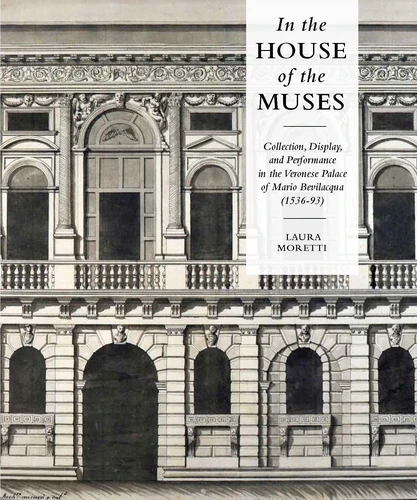
In the House of the Muses. Collection, Display and Performance in the Veronese Palace of Mario Bevilacqua (1536-93)
Par :Formats :
- Nombre de pages295
- PrésentationRelié
- Poids1.67 kg
- Dimensions22,0 cm × 28,0 cm × 0,0 cm
- ISBN978-1-912554-44-7
- EAN9781912554447
- Date de parution22/12/2020
- CollectionIn the Shadow of the Lion of S
- ÉditeurHarvey Miller Publishers
Résumé
Mario Bevilacqua was one of the greatest collectors of the second half of the sixteenth century in the territories of the Republic of Venice. He was a true lover of literature and the arts, expressing a deep appreciation for music and an instinctive attraction to antiquities. In the family palace on today's Corso Cavour in Verona renovated in the mid-sixteenth century by the architect Michele Sanmicheli, Bevilacqua set up what early sources describe as a "museum" open to the public.
Here it was possible to admire paintings, sculptures, drawings and prints, coins and medals, manuscripts, printed books and musical instruments – all objects collected over the course of approximately twenty-five years, to which Mario dedicated much of his time and resources. The library, also referred to as "studio", was considered one of the richest in the city, while the "galleria" contained masterpieces such as Tintoretto's Paradise now at the Louvre, as well as antique statues and busts of Roman emperors.
The famous "ridotto", in which salaried musicians and singers performed regularly, was frequented by citizens and foreigners and enjoyed international renown.
Here it was possible to admire paintings, sculptures, drawings and prints, coins and medals, manuscripts, printed books and musical instruments – all objects collected over the course of approximately twenty-five years, to which Mario dedicated much of his time and resources. The library, also referred to as "studio", was considered one of the richest in the city, while the "galleria" contained masterpieces such as Tintoretto's Paradise now at the Louvre, as well as antique statues and busts of Roman emperors.
The famous "ridotto", in which salaried musicians and singers performed regularly, was frequented by citizens and foreigners and enjoyed international renown.