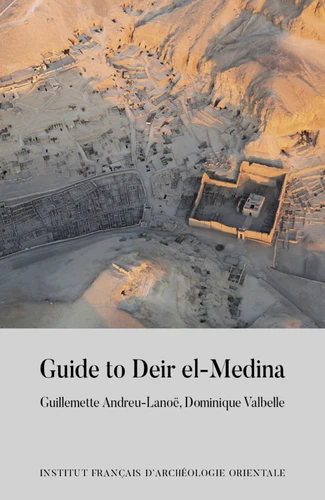
The site of Deir el-Medina is unique in its particularly well-preserved archaeological remains, which represent an exceptional ensemble in Egypt (consisting of a village, a necropolis and a temple), and in the rich documentation that it has delivered across the millennia. The inhabitants of Deir el-Medina - artists as well as craftsmen - dug and decorated the hypogea of the sovereigns in the Valley of the Kings and Queens.
They did not restrict the use of their talents to the only benefit of the sovereigns, but decorated, or had decorated by the most skilled amongst them, their own tombs and were buried with hundreds of cult objects and grave goods. The scribes kept archives, which constitute an incredible wealth of information for the history of the New Kingdom and the functioning of the royal sites. They also had literary interests, and some of them established libraries, which are considered among the richest of those that have survived.
Walking around the site of Deir el-Medina and studying the paintings that adorn the walls of the rock tombs, the visitor will get to know the spirit of its occupants, their earthly ambitions, the religious and funerary universe of their conception of the afterlife and also the feasts of the multiple deities who composed the local pantheon. Coming upon the temple, built in the Ptolemaic period, comes as a perfect ending to this archaeological walk.
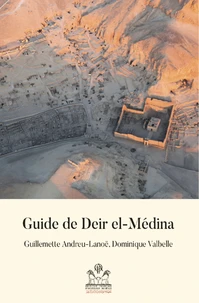
The site of Deir el-Medina is unique in its particularly well-preserved archaeological remains, which represent an exceptional ensemble in Egypt (consisting of a village, a necropolis and a temple), and in the rich documentation that it has delivered across the millennia. The inhabitants of Deir el-Medina - artists as well as craftsmen - dug and decorated the hypogea of the sovereigns in the Valley of the Kings and Queens.
They did not restrict the use of their talents to the only benefit of the sovereigns, but decorated, or had decorated by the most skilled amongst them, their own tombs and were buried with hundreds of cult objects and grave goods. The scribes kept archives, which constitute an incredible wealth of information for the history of the New Kingdom and the functioning of the royal sites. They also had literary interests, and some of them established libraries, which are considered among the richest of those that have survived.
Walking around the site of Deir el-Medina and studying the paintings that adorn the walls of the rock tombs, the visitor will get to know the spirit of its occupants, their earthly ambitions, the religious and funerary universe of their conception of the afterlife and also the feasts of the multiple deities who composed the local pantheon. Coming upon the temple, built in the Ptolemaic period, comes as a perfect ending to this archaeological walk.